
 Q2
Q2
 QIDI Box
 Plus 4
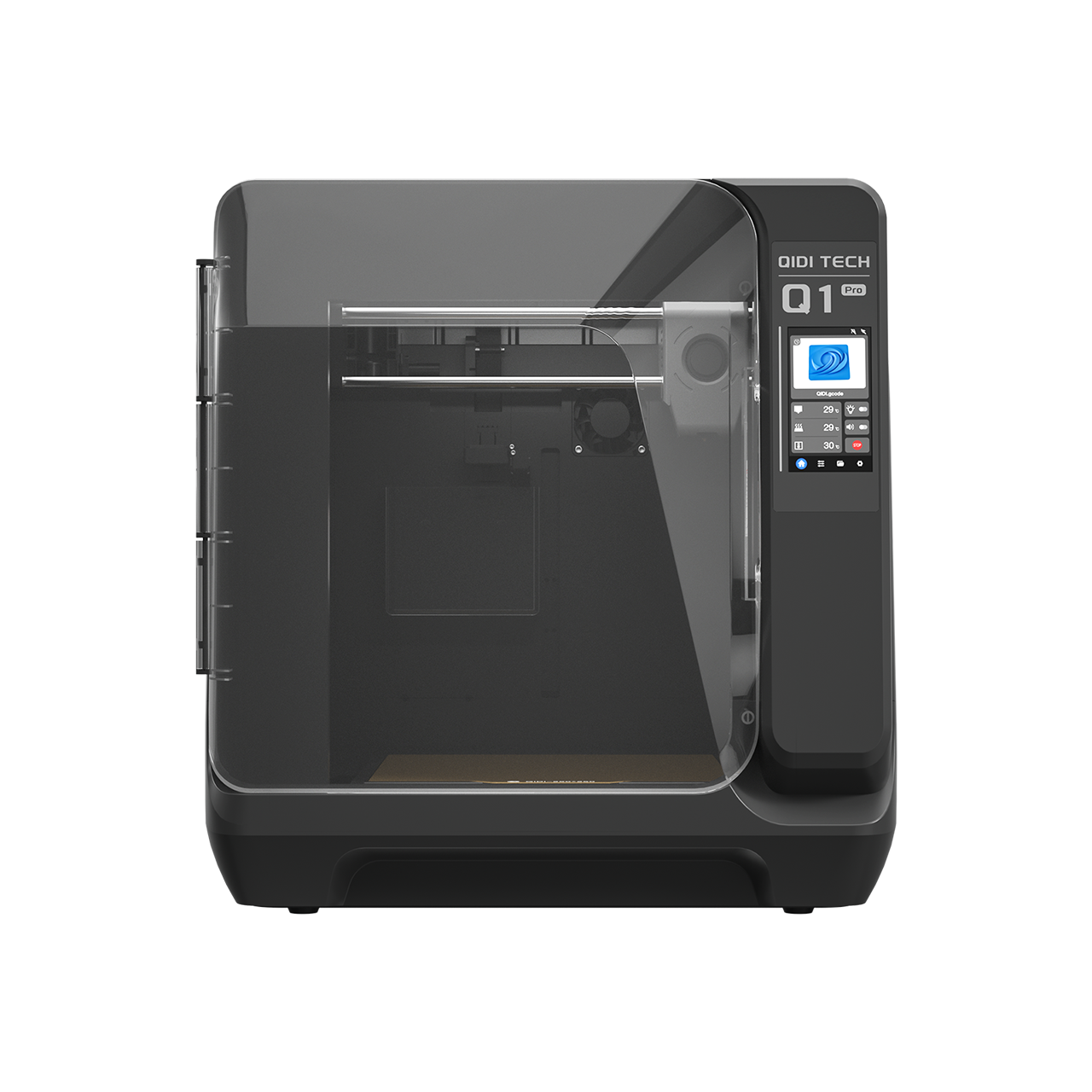 Q1 Pro
 X-Max 3


What Is a Temperature-Controlled Chamber in 3D Printing?


A temperature-controlled chamber is an enclosed print space designed to keep the air around a 3D print stable during printing. It is especially useful for materials that shrink as they cool, such as ABS, ASA, polycarbonate, and some nylon-based filaments. By reducing sudden temperature changes, a controlled chamber can help minimize warping, cracking, layer separation, and dimensional inconsistency.
However, a heated chamber is not necessary for every material. In some cases, using too much chamber heat can even hurt print quality, especially with filaments like PLA or PETG that usually need more cooling.
What Is a Temperature-Controlled Chamber?
In FDM or FFF 3D printing, plastic filament is melted through a hotend and deposited layer by layer. As each layer cools, the material contracts. If the print cools unevenly, internal stress can build up inside the part. This stress may cause corners to lift, layers to split, or the entire model to deform.
A temperature-controlled chamber helps by creating a more stable environment around the printed object. Instead of letting the part cool too quickly in open air, the chamber keeps the surrounding temperature more consistent. This is particularly important for large prints, tall parts, engineering materials, and models with sharp corners or wide flat bases.
It is important to understand that the chamber does not replace proper nozzle temperature, bed temperature, bed adhesion, cooling settings, or filament drying. It is one part of a complete print environment.

Temperature-Controlled Chamber vs. Regular Enclosure: What’s the Difference?
A regular enclosure and a temperature-controlled chamber are related, but they are not the same.
A regular enclosure is a physical cover around the printer. It helps block drafts, reduce external airflow, and keep some heat inside the print area. Many simple enclosures are passively warmed by the heatbed and hotend.
A passive heated chamber does not have a separate chamber heater. The internal air temperature rises naturally during printing because the bed and nozzle generate heat. This can be enough for some materials and small-to-medium prints.
An active temperature-controlled chamber uses a dedicated heating system and temperature sensor to control the chamber temperature more precisely. This allows the printer to maintain a target chamber temperature instead of relying only on trapped heat.
For basic PLA printing, a full heated chamber is usually unnecessary. For ABS, ASA, PC, and some nylon materials, a stable enclosed environment can make a major difference.
Why Chamber Temperature Matters
The main reason chamber temperature matters is thermal stress. When a print is exposed to cold air, room drafts, or uneven cooling, the lower layers and upper layers may shrink at different rates. This can pull the model away from the build plate or create cracks between layers.
A stable chamber can help:
- Reduce warping
- Reduce corner lifting
- Improve layer adhesion
- Reduce cracking in tall parts
- Improve dimensional stability
- Make large engineering prints more reliable
This does not mean hotter is always better. The goal is not to overheat the print, but to keep the cooling process controlled. Different materials need different environments.

Which Filaments Need a Temperature-Controlled Chamber?
Not every filament benefits from a heated chamber. Some materials need cooling to perform well, while others need warmth to avoid warping.
| Filament | Does It Need a Temperature-Controlled Chamber? | Practical Guidance |
| PLA | Usually no | PLA prints well at relatively low temperatures and usually needs good part cooling. A hot chamber may soften the part or reduce overhang quality. |
| PETG | Usually no | PETG may benefit from draft protection for large prints, but a high chamber temperature is usually unnecessary. Too much heat can make cooling harder. |
| TPU | Usually no | Flexible filaments generally do not require a heated chamber. Stable room temperature is usually enough. |
| ABS | Yes, recommended | ABS is prone to warping and layer separation. A warm enclosure or heated chamber can improve reliability, especially for large parts. |
| ASA | Yes, recommended | ASA behaves similarly to ABS and benefits from a stable warm environment. It is useful for outdoor parts but requires good ventilation during printing. |
| PC | Strongly recommended | Polycarbonate usually needs high nozzle and bed temperatures, plus a stable heated environment for best results. |
| PA/Nylon | Recommended for many cases | Nylon materials vary widely, but many benefit from an enclosure. Filament drying is especially important because nylon absorbs moisture easily. |
| Carbon-fiber-filled materials | Depends on the base polymer | PLA-CF may not need a chamber, while PA-CF, PC-CF, or ABS-CF often benefit from one. Always check the base material first. |
The safest rule is: do not judge by the filler alone. Judge by the base polymer. For example, “carbon fiber filament” could mean PLA-CF, PETG-CF, PA-CF, or PC-CF, and each one behaves differently.
Benefits of a Temperature-Controlled Chamber
1. Less Warping
Warping happens when part of the print cools and contracts faster than the rest. This often causes corners to lift from the build plate. A controlled chamber reduces temperature differences between the print and its surroundings, which helps keep the model flatter and more stable.
This is especially useful for ABS, ASA, PC, and large functional parts with broad contact surfaces.
2. Better Layer Adhesion
Layer adhesion depends on how well each new layer bonds to the previous one. If the previous layer has cooled too much, the bond may be weaker. A warmer chamber slows down the cooling process and can help improve bonding between layers.
This is useful for functional parts that need strength, not just good appearance.
3. Fewer Cracks in Tall Prints
Tall prints made from high-shrinkage materials can crack halfway up the model. This usually happens when lower layers remain warm while upper layers cool too quickly. A temperature-controlled chamber helps keep the whole print closer to a consistent temperature, reducing the chance of layer splitting.
4. Better Dimensional Stability
For engineering parts, accuracy matters. If a printed part shrinks unevenly, holes may become distorted, corners may lift, and mating parts may no longer fit. A stable chamber helps reduce uneven shrinkage, making the final part more predictable.
This is especially valuable for brackets, housings, fixtures, mechanical prototypes, and parts that need to fit with screws or other components.
5. More Reliable Printing With Engineering Materials
Many engineering filaments are more demanding than PLA. They often need higher nozzle temperatures, higher bed temperatures, slower cooling, and a more stable print environment. A temperature-controlled chamber makes these materials easier to print consistently.
However, the chamber alone will not guarantee success. You still need the right print surface, proper bed adhesion, calibrated flow, correct cooling, and dry filament.
When a Heated Chamber Is Not Recommended
A heated chamber is not always helpful. In some cases, it can create new problems.
PLA usually does not need a heated chamber. Because PLA softens at relatively low temperatures, too much chamber heat can cause poor overhangs, sagging details, heat creep, or softened printed parts.
PETG also does not usually require a high-temperature chamber. It can benefit from protection against drafts, but it still needs controlled cooling. If the chamber is too warm, PETG prints may become stringier or less detailed.
Small prints, decorative models, and low-temperature materials generally do not need active chamber heating. For these prints, good bed leveling, clean build surfaces, proper cooling, and slicer settings are usually more important.
Common Mistakes When Using a Temperature-Controlled Chamber
1. Thinking Every Material Needs a Hot Chamber
This is one of the most common mistakes. A hot chamber can help ABS or PC, but it may hurt PLA print quality. Always match the chamber environment to the filament.
2. Ignoring Filament Drying
A chamber controls air temperature, not filament moisture. Materials like nylon, PC, PETG, and some composites can absorb moisture from the air. Wet filament may cause popping, stringing, weak layers, rough surfaces, and poor mechanical strength.
For hygroscopic materials, drying the filament before printing can be just as important as chamber temperature.
3. Opening the Door During Printing
Opening the enclosure during an ABS, ASA, or PC print can cause a sudden temperature drop. This may lead to cracking, layer separation, or warping. If you need to inspect the print, avoid leaving the chamber open for long periods.
4. Using Too Much Part Cooling
High-temperature materials often need less cooling than PLA. Too much fan speed can make the part cool too quickly and increase warping. However, some overhangs and bridges may still need limited cooling. The goal is balance, not simply turning the fan off in every case.
5. Assuming Chamber Temperature Solves Bed Adhesion
A chamber helps reduce thermal stress, but poor first-layer adhesion can still ruin a print. A clean build plate, correct Z offset, suitable print surface, brim, raft, or adhesive may still be necessary.
6. Forgetting About Printer Hardware
Not every printer is designed for high chamber temperatures. Long exposure to heat may affect plastic parts, belts, electronics, motors, or printed components inside the machine. Before using an actively heated chamber, make sure the printer is designed for that environment.
Is a Temperature-Controlled Chamber Safe to Use?
Some materials, especially styrene-based filaments like ABS and ASA, can produce noticeable fumes during printing. A closed chamber may reduce odor escaping into the room, but it does not make the fumes disappear. Good ventilation is still important.
A filter system may help reduce particles and odors, but it should not be treated as a complete replacement for ventilation. If you print high-temperature materials often, place the printer in a well-ventilated area and avoid printing in small, enclosed living spaces for long periods.
At the same time, avoid direct drafts around the print. A window or fan blowing directly at the printer can cool the part unevenly and increase warping. The ideal setup is controlled ventilation for the room without cold air blowing into the chamber.
How to Choose the Right Chamber Setup
The right chamber setup depends on your material, print size, and safety requirements. Instead of choosing the hottest chamber possible, choose the setup that matches the filament you actually use.
For low-temperature materials such as PLA, an actively heated chamber is usually unnecessary. For PETG, simple draft protection may be enough, especially for larger prints. For ABS, ASA, PC, nylon, and some composite materials, a more stable enclosed environment can help reduce warping, cracking, and inconsistent layer bonding.
Before choosing or building a chamber setup, consider these key points:
- Material compatibility: Make sure the chamber setup matches the filaments you print most often.
- Temperature monitoring: A chamber with temperature feedback is more useful than one that only traps heat without control.
- Airflow control: Avoid direct drafts hitting the print, even if the room itself is ventilated.
- Hardware safety: Check whether the printer’s belts, electronics, motors, and plastic parts can handle elevated chamber temperatures.
- Ventilation and filtration: Use filtration as support, but do not treat it as a full replacement for proper ventilation.
- Filament drying: For hygroscopic materials such as nylon, PC, and some composites, dry filament is still essential.
In most cases, the best chamber is not the hottest one. It is the one that keeps the print environment stable without overheating the material, the printer, or the surrounding space.
FAQs About Temperature-Controlled Chambers
Q1. Do I need a temperature-controlled chamber for PLA?
Usually no. PLA prints well without a heated chamber and generally needs good cooling. A hot chamber can make PLA prints softer, less detailed, or more prone to heat-related issues.
Q2. Is an enclosure enough for ABS?
For small ABS parts, a regular enclosure may be enough if it keeps the print environment stable. For larger or more demanding ABS parts, an actively heated chamber can improve consistency and reduce warping.
Q3. Is ASA easier to print than ABS?
ASA and ABS are similar in many ways. ASA is often preferred for outdoor parts because of its UV resistance, but it can still warp and requires a stable warm environment. Ventilation is also important when printing ASA.
Q4. Can a heated chamber improve print speed?
Not directly. A heated chamber mainly improves thermal stability. It may allow more reliable printing with difficult materials, but print speed still depends on the hotend, material flow, cooling, slicer settings, and printer mechanics.
Q5. Is a temperature-controlled chamber worth it?
A temperature-controlled chamber is worth it if you regularly print ABS, ASA, PC, nylon, or large functional parts. If you mostly print PLA, small decorative models, or simple prototypes, it may not be necessary.
Choose the Right Chamber for More Reliable 3D Printing
A temperature-controlled chamber can be a valuable upgrade when you print materials that are sensitive to cooling, such as ABS, ASA, PC, or nylon. It helps create a stable print environment and reduces common issues like warping, cracking, and weak layer bonding. However, it is not necessary for every filament. For PLA and most PETG prints, good cooling and proper bed adhesion often matter more. Match your chamber setup to your material, print size, and safety needs for the best results.
- What Is a Temperature-Controlled Chamber?
- Temperature-Controlled Chamber vs. Regular Enclosure: What’s the Difference?
- Why Chamber Temperature Matters
- Which Filaments Need a Temperature-Controlled Chamber?
- Benefits of a Temperature-Controlled Chamber
- 1. Less Warping
- 2. Better Layer Adhesion
- 3. Fewer Cracks in Tall Prints
- 4. Better Dimensional Stability
- 5. More Reliable Printing With Engineering Materials
- When a Heated Chamber Is Not Recommended
- Common Mistakes When Using a Temperature-Controlled Chamber
- 1. Thinking Every Material Needs a Hot Chamber
- 2. Ignoring Filament Drying
- 3. Opening the Door During Printing
- 4. Using Too Much Part Cooling
- 5. Assuming Chamber Temperature Solves Bed Adhesion
- 6. Forgetting About Printer Hardware
- Is a Temperature-Controlled Chamber Safe to Use?
- How to Choose the Right Chamber Setup
- FAQs About Temperature-Controlled Chambers
- Q1. Do I need a temperature-controlled chamber for PLA?
- Q2. Is an enclosure enough for ABS?
- Q3. Is ASA easier to print than ABS?
- Q4. Can a heated chamber improve print speed?
- Q5. Is a temperature-controlled chamber worth it?
- Choose the Right Chamber for More Reliable 3D Printing
Recommended products