

 Q2

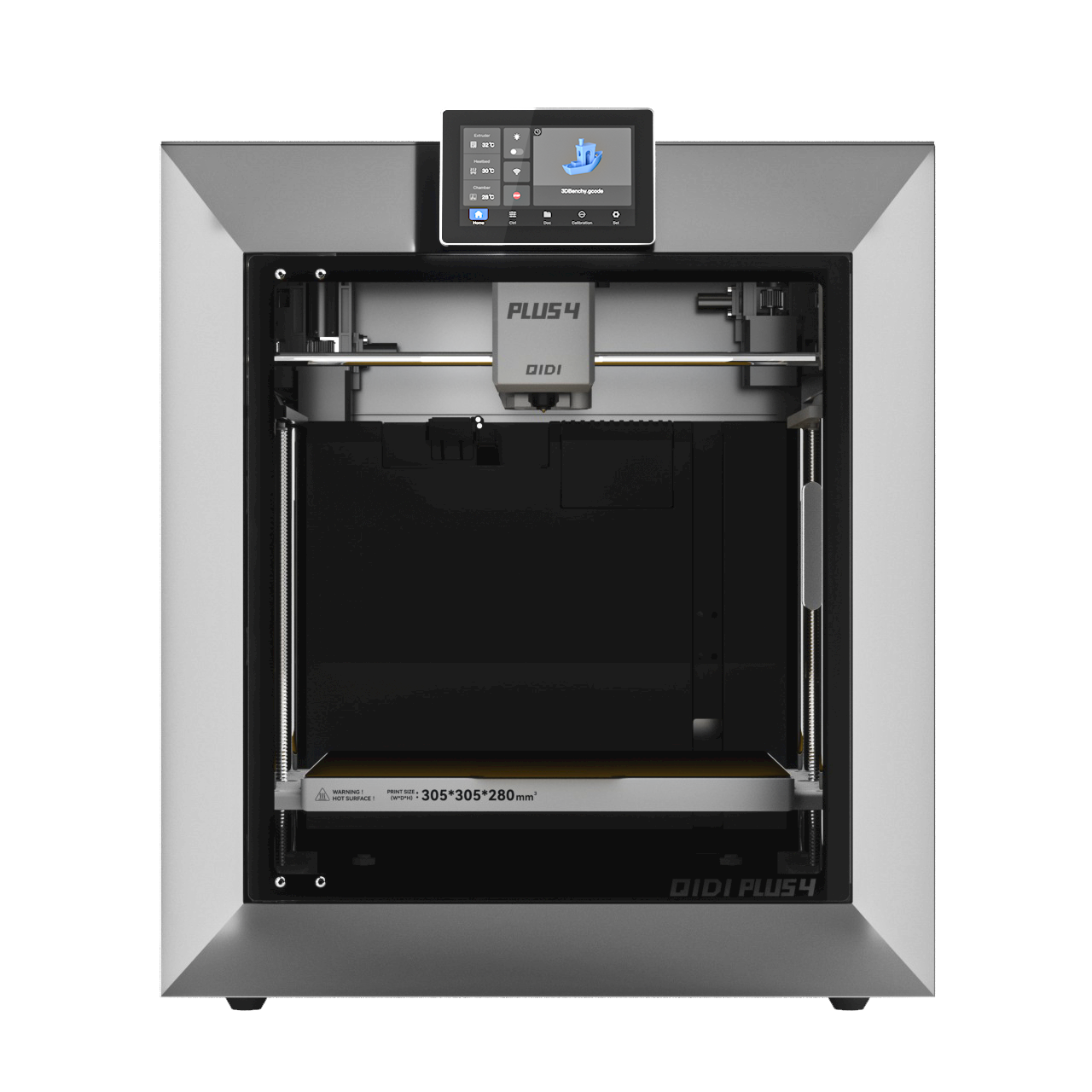




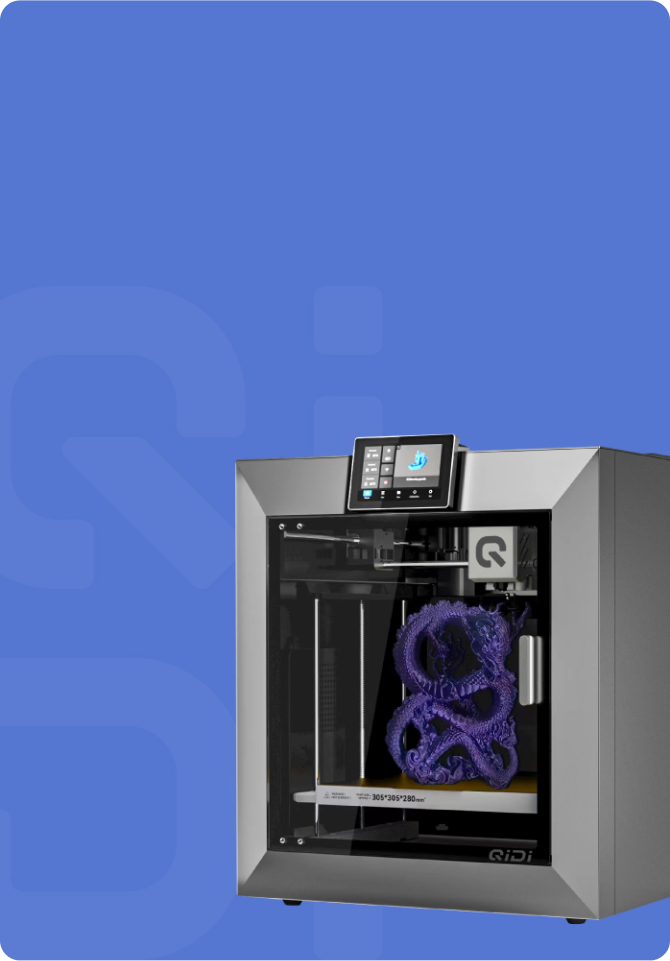
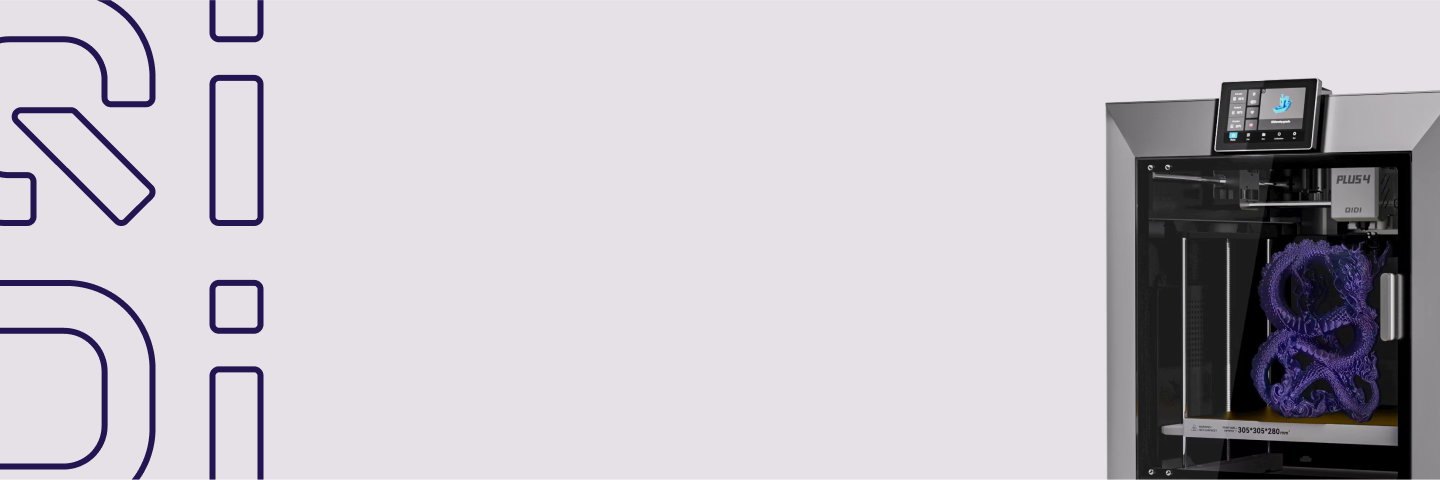
QIDI Plus4 Accessories
Plus4 Accessories is the parts shelf for the Plus4: bimetal hotends and tungsten carbide nozzles, PEI build plates, runout and tangle sensors, cooling fans, a replacement chamber heater, the camera, the 32GB EMMC module, and a filament dryer box. The page tagline, strong, smooth, reliable, maps to the three things that fail first on an FDM printer: the nozzle, the first layer, and the sensors that stop a print before it wastes a spool.
Hotend and Nozzles: Bimetal, Tungsten Carbide, and Spares
The nozzle wears before anything else, and abrasive filament speeds it up. QIDI gives you three ways to handle it: swap the whole bimetal nozzle hotend when the assembly is due, move to a tungsten carbide bimetal nozzle when carbon- and glass-filled filament is routine, or keep a pair of bimetal nozzles on the shelf for everyday PLA and PETG. Bimetal holds up to abrasive wear far better than brass, and tungsten carbide wears slower still.
- Plus4 Bimetal Nozzle Hotend, $44.99: the complete assembly with a 0.4mm nozzle fitted, ready to drop in.
- Plus4 Bimetal Nozzles, 2pcs, $39.99: 2pcs of the same size; choose from 0.2/0.4/0.6/0.8mm.
- Tungsten Carbide Bimetal Nozzle, $59.99: 0.4, 0.6, and 0.8mm for abrasive filament and long runs.
- Silicone sock protectors, PEI wiper sheets, and wiper silicone cases: low-cost spares that keep the hotend clean between jobs.
Build Plates for First-Layer Adhesion
Most "filament not sticking to bed" problems are plate problems. The dual-sided PEI plate puts a PEI surface on both sides, so a worn face is a flip away, and the smooth PEI plate adds a 0.5mm spring-steel core that releases prints with a flex. If you print mostly PLA and PETG, the Cool Plate is the specialist: a sticky coating that needs no glue stick and leaves a smooth bottom, sized for the Plus4.
- Dual-sided PEI Plate, $39.99: a PEI surface on both sides, so a worn face is a flip away.
- Dual-sided Smooth PEI Plate, $59.99: 0.5mm spring steel and a smoother print texture.
- Cool Plate, $29.99: PLA and PETG grip without adhesive, with a smooth base finish.
Extruder, Runout Sensors, and Cutting
The feed path is where a print fails quietly: filament runs out, tangles, or the cutter jams. The filament runout sensor is the current revision, with a reworked core that catches the end of a spool more reliably, and the tangle sensor watches the drag that comes before a snapped strand. The extruder, extruder cable, and a 5-piece cutter blade set finish the path, so a worn part is a short swap instead of a stalled weekend.
- Plus4 Extruder, $29.99, and Extruder Cable, $9.99: the drive and its wiring as a matched replacement.
- Filament Runout Sensor, $9.99: higher detection sensitivity on the latest version.
- Filament Tangle Sensor, $19.99, and Cutter Blade, 5pcs, $4.99: keep the feed clean and the cut crisp.
Cooling, Chamber Heating, and Air Quality
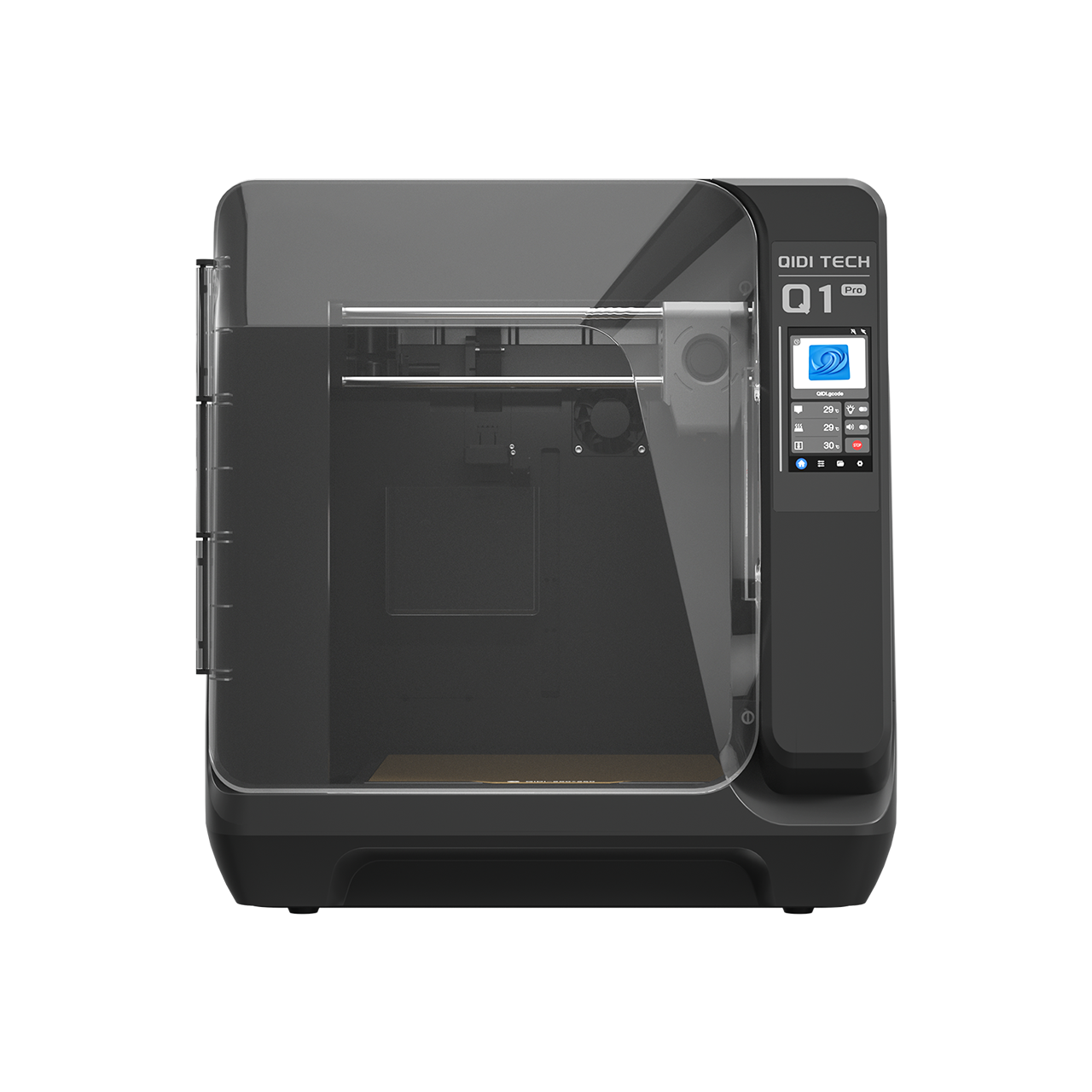
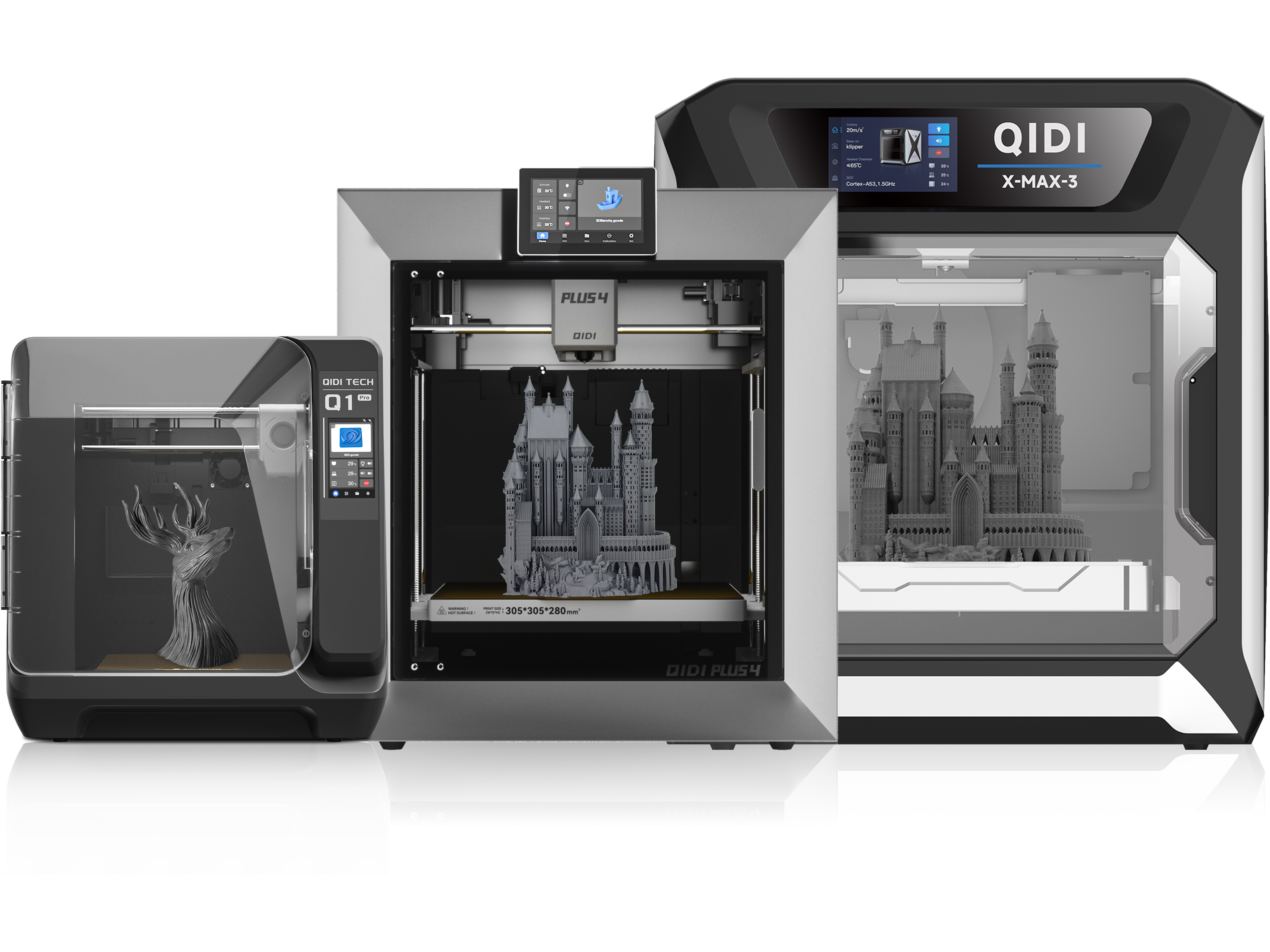
Cooling and heat are the two levers over print quality, and both are serviceable on the Plus4. The auxiliary cooling fan adds extra part cooling from the side, the hotend cooling fan keeps the heat break cool, and the model cooling fan keeps the printed part cool where it matters. The chamber heater is a drop-in replacement for the heated chamber the Plus4 already runs, not an upgrade, so ABS, ASA, and nylon hold chamber temperature after a part fails. The activated carbon bag fits the Plus4, X-Plus 3, X-Max 3, and Q1 Pro to adsorb gases from printing.
- Auxiliary Cooling Fan, $24.99: dedicated part cooling for overhangs and bridges.
- Hotend Cooling Fan, $9.99, and Model Cooling Fan, $14.99: heat-break and part cooling.
- Chamber Heater and Fan, $39.99: replacement for the Plus4 heated chamber.
- Activated Carbon Bag, $5.99: fits Plus4, X-Plus 3, X-Max 3, and Q1 Pro.
Electronics, Camera, and Filament Care
The last group keeps the machine running and the filament dry. The camera lets you watch a long print remotely, the motherboard is a replacement control board for board-level faults, and the EMMC 32GB module is the one upgrade worth making if you are still on a TF card: it is faster and more stable, ships with the system image pre-installed. For filament, the filament dryer box seals a spool behind a PP lid, ABS body, and VMQ ring, and with desiccant it keeps PA12-CF, UltraPA, ABS, and PETG from taking on moisture and stringing.
- EMMC 32GB Module, $45.99: faster, more stable storage than a TF card, with the system image pre-installed.
- Plus4 Camera, $39.99, and Motherboard, $200.00: remote monitoring, and a replacement control board that is not a straight drop-in swap.
- Filament Dryer Box, $39.00: sealed storage for water-absorbent filament.
Domande frequenti su QIDI Plus4 Accessori
Un hotend completo, ugelli bimetallici di ricambio o un ugello in carburo di tungsteno, quale dovrei acquistare?
Acquista l'hotend bimetallico completo quando devi assemblare l'intero filamento e desideri la sostituzione più rapida. Acquista ugelli bimetallici quando cambi le dimensioni tra una stampa e l'altra. Acquista ugelli in carburo di tungsteno quando utilizzi abitualmente filamenti in carbonio o fibra di vetro, perché si usurano più lentamente.
Ho bisogno della Cool Plate se ho già una piastra PEI?
Solo se PLA e PETG sono i materiali che stampi più frequentemente. Le piastre in PEI coprono l'intera gamma di materiali. La Cool Plate è la soluzione ideale per PLA e PETG: aderisce senza bisogno di adesivo e lascia una superficie inferiore liscia, perfetta per componenti da esposizione e per la stampa di grandi volumi di PLA.
Queste parti sono aggiornamenti o sostituzioni?
La maggior parte sono ricambi originali per le parti Plus4 già presente. Il riscaldatore della camera, il livellatore automatico, la scheda madre e le ventole sono parti di ricambio, non aggiornamenti. Gli accessori aggiuntivi sono la piastra di raffreddamento, la scatola di essiccazione del filamento e il modulo EMMC, che sostituisce una scheda TF con un'unità di archiviazione più veloce e stabile.
Cosa impediscono i sensori di eccentricità e groviglio?
Un sensore di fine bobina arresta la stampante quando la bobina termina, interrompendo la stampa anziché interromperla a vuoto. Un sensore di groviglio rileva l'attrito di un filo incrociato prima che si spezzi o che si verifichi una sottoestrusione. Insieme, trasformano due comuni guasti notturni in una pausa che è possibile riprendere.
Quali parti devo tenere come ricambio?
Ugelli, calze in silicone, fogli di pulizia in PEI e lame di taglio: questi sono i materiali di consumo che si usurano con il normale utilizzo. Un ugello bimetallico di ricambio e una confezione di fogli di pulizia coprono le esigenze più comuni durante le soste a metà progetto.