 Q2
Q2


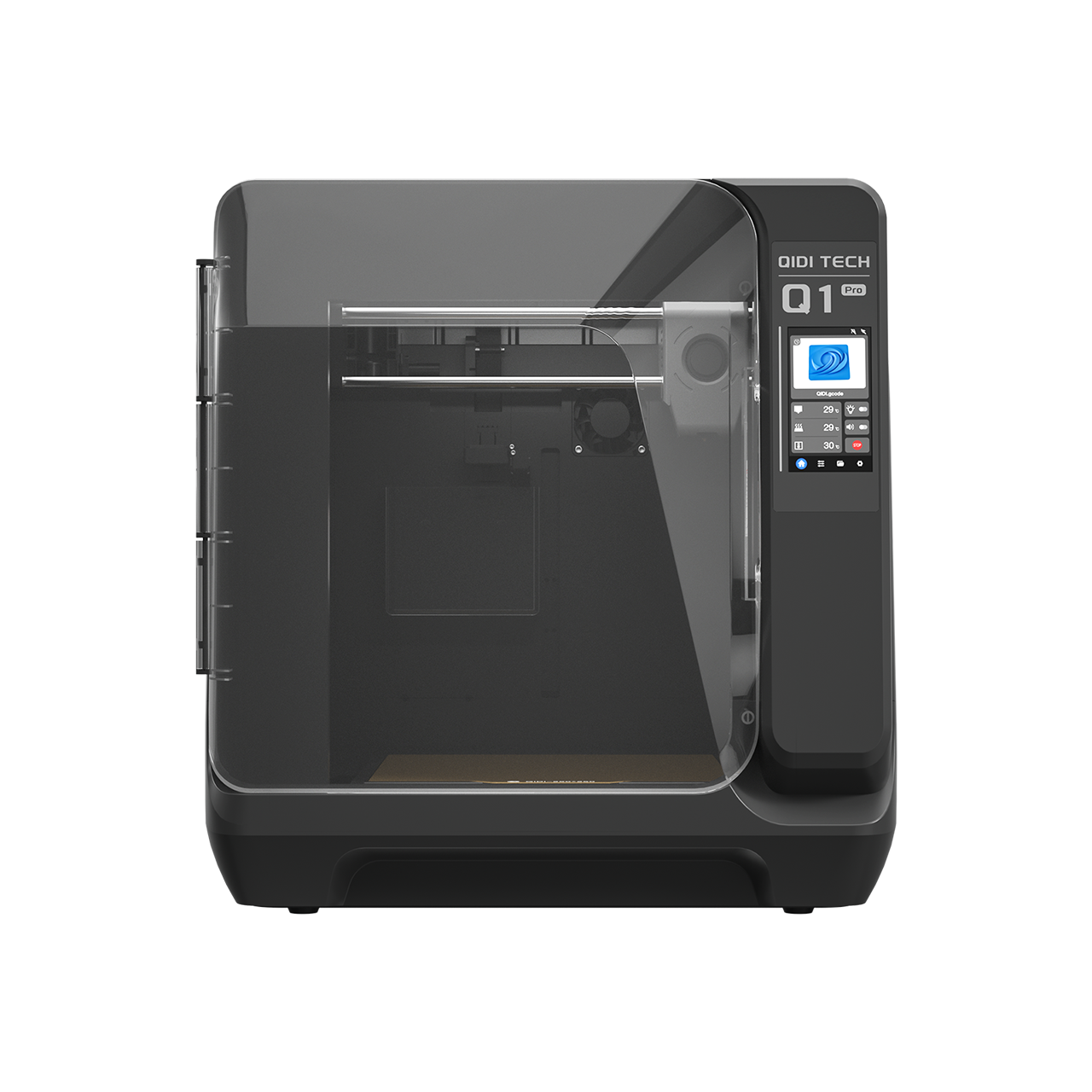




Nato per affrontare le sfide ingegneristiche più impegnative, il PPS-GF20, grazie alla sua eccezionale resistenza al calore, alla straordinaria stabilità dimensionale e alle proprietà di isolamento elettrico di prim'ordine, è la scelta ideale per raggiungere innovazione e affidabilità nei settori dell'elettronica, dell'aerospaziale, dell'automotive e delle applicazioni industriali di fascia alta.


Certificato UL94 V0 con uno spessore di 1,5 mm, resistente ad acidi, alcali, oli e solventi.
Grazie all'elevata rigidità dielettrica di 6,1 kV/mm e alla bassa costante dielettrica (2,7 a 1 MHz), offre una solida barriera protettiva per applicazioni quali componenti di stazioni base 5G, alloggiamenti per sensori ADAS e isolanti elettrici.


Mantiene un'eccellente resistenza strutturale e forma anche in ambienti estremi fino a 240 °C (temperatura di deflessione termica).


Grazie all'aggiunta del 20% di fibra di vetro, riduce il ritiro del materiale, conferendo al contempo alle parti stampate resistenza e rigidità (modulo di Young fino a 4600 MPa, resistenza alla flessione XY fino a 105 MPa). Particolarmente indicato per staffe, basi per antenne, parti a contatto con sostanze chimiche e altri componenti con requisiti stringenti in termini di resistenza e rigidità.


Supporta la stampa ad alta velocità.Il ritiro estremamente ridotto e l'eccellente stabilità dimensionale garantiscono che i pezzi stampati mantengano dimensioni precise dal primo all'ultimo strato, consentendo la facile creazione di assemblaggi con incastri precisi e ingranaggi di alta precisione.


Il PPS-GF presenta un tasso di assorbimento di umidità estremamente basso, pari a solo lo 0,05%, mantenendo proprietà meccaniche e termiche stabili anche in ambienti umidi. Ciò lo rende la scelta ideale per applicazioni che richiedono un'elevata resistenza all'umidità.
Dotati di chip RFID, i parametri vengono identificati automaticamente, dicendo addio alle impostazioni manuali.


📚Per maggiori dettagli, si prega di consultare: Guida ai filamenti per l'ingegneria su WIKI.
Secondo i test, il tasso di trasmissione del vapore acqueo delle normali confezioni sigillate è del 4,76%, mentre quello delle confezioni sottovuoto in foglio di alluminio da noi utilizzate è solo dello 0,014%. Si può quindi affermare che le confezioni sottovuoto in foglio di alluminio sono più resistenti all'acqua.


