
 Q2
Q2
 QIDI Box
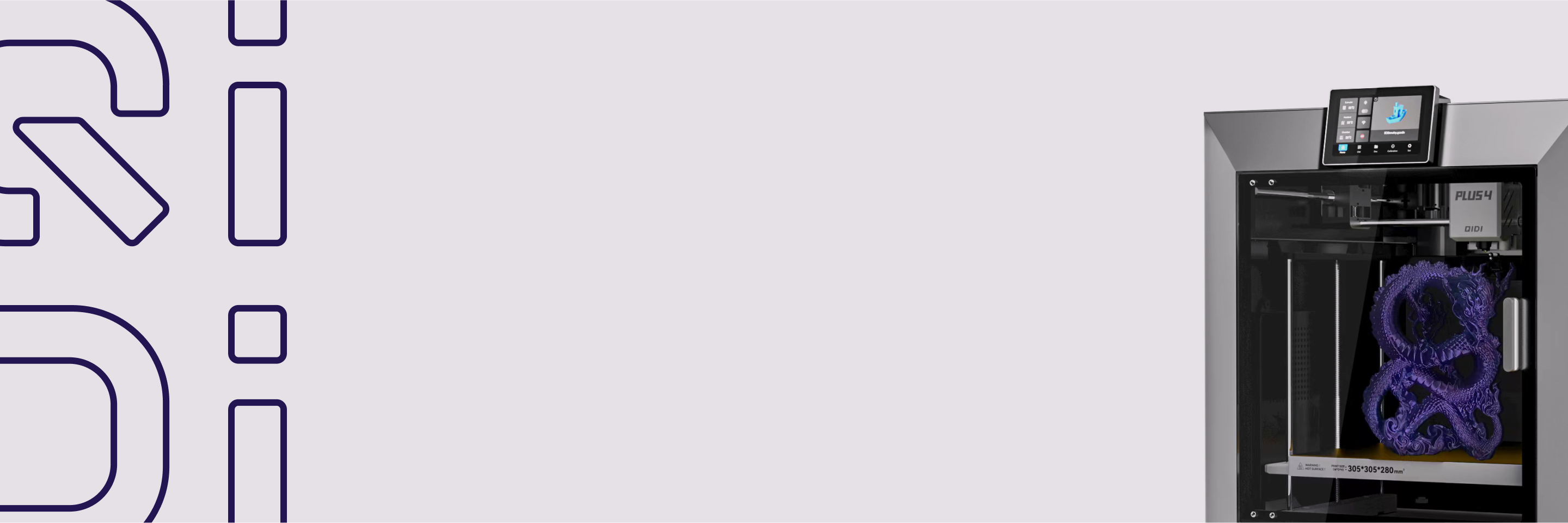
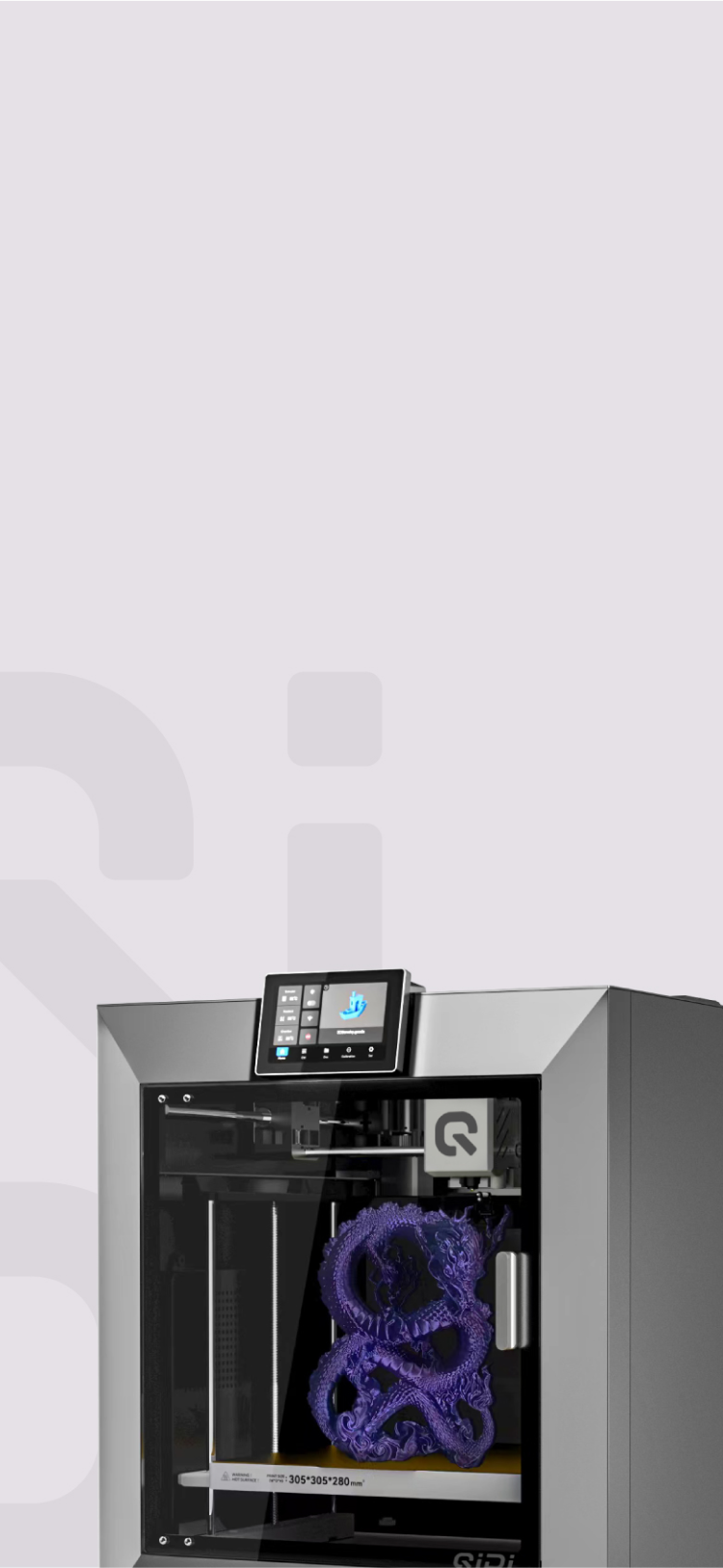
 Plus 4
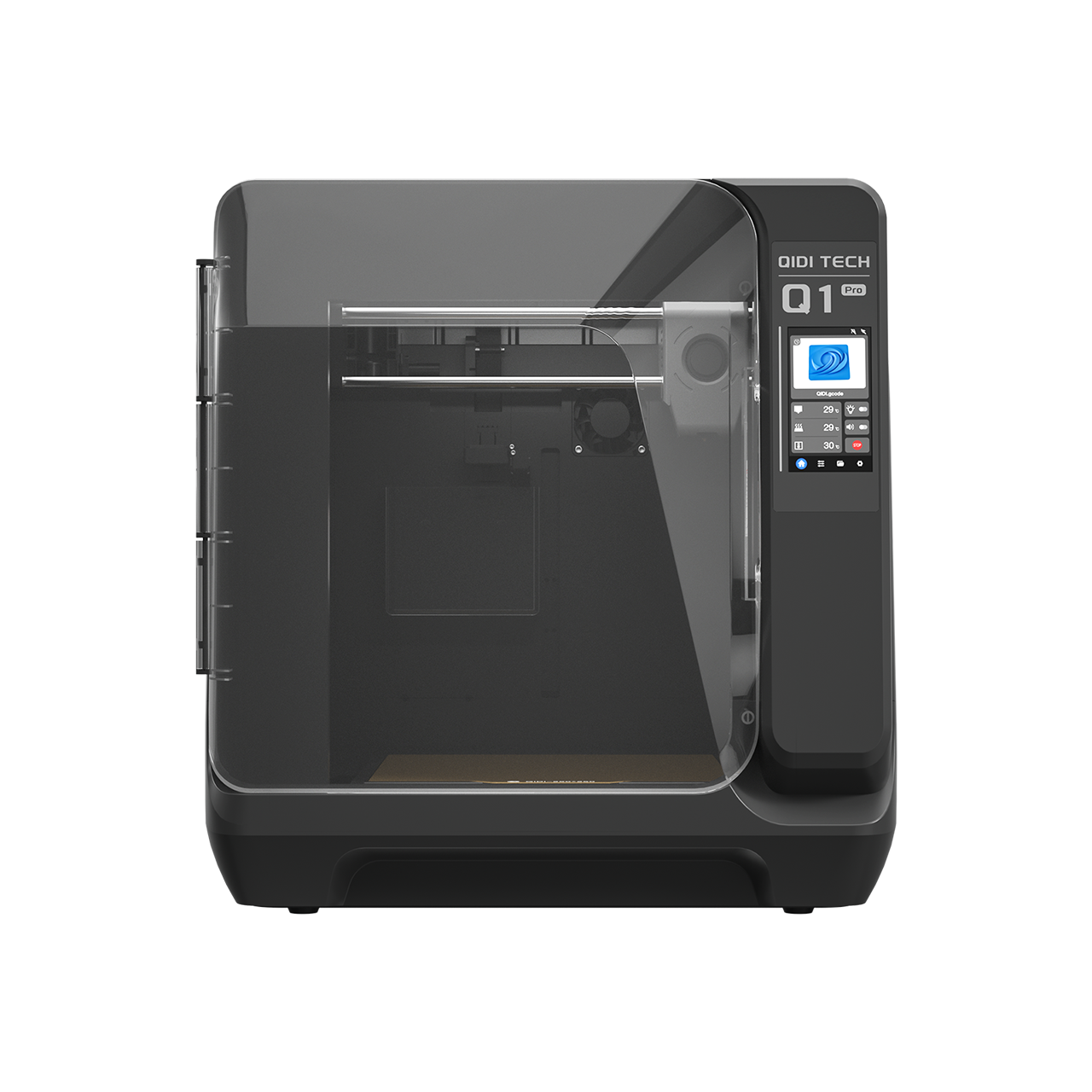 Q1 Pro
 X-Max 3


The Best 3D Printers of 2026: Top 10 Picks by Use Case

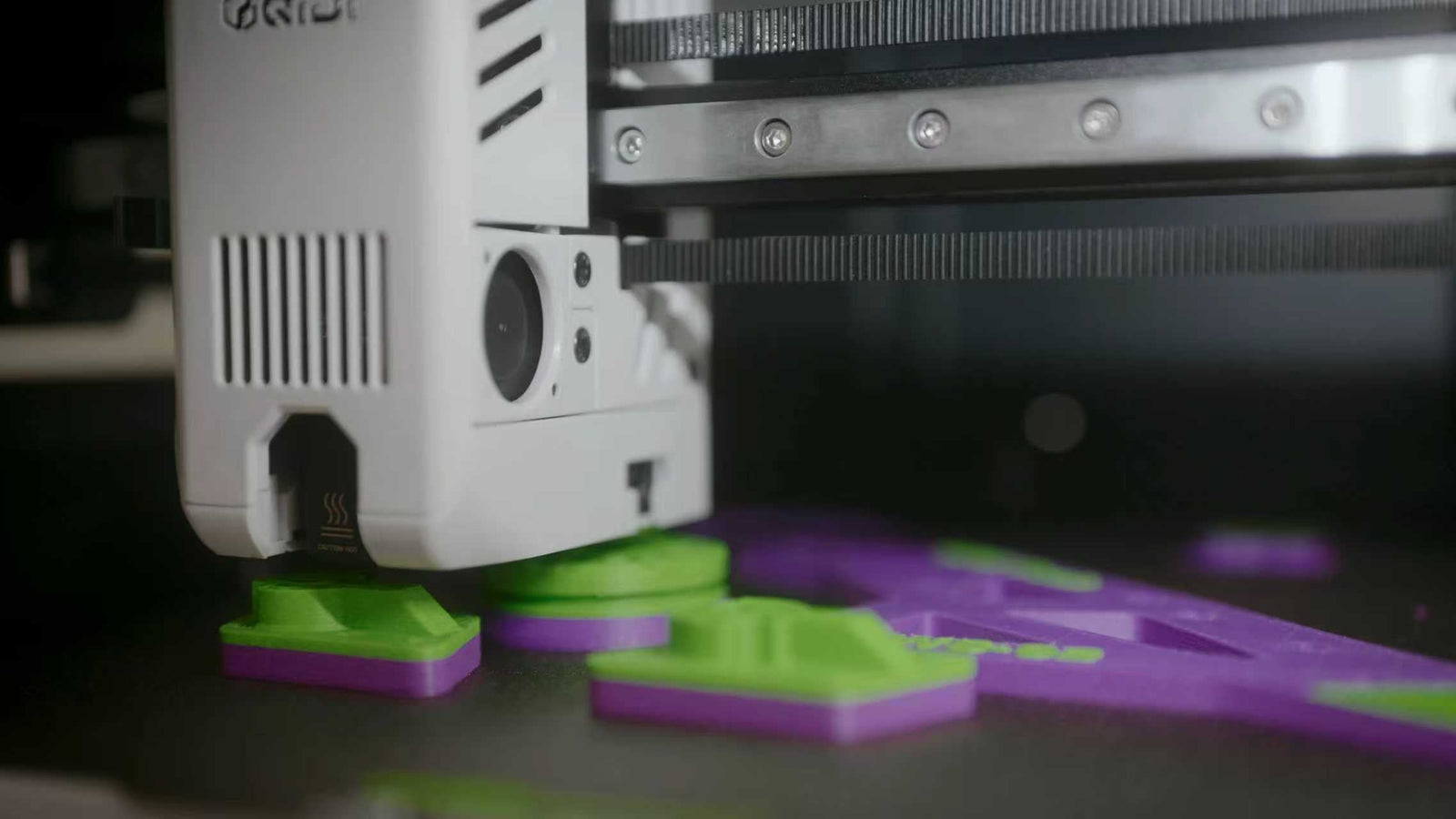
The best all-round 3D printer in 2026 is the QIDI Max4 at $1,049 — 390×390×340 mm of build volume, an 800 mm/s toolhead, 30,000 mm/s² acceleration, a 370°C nozzle and third-generation 65°C active chamber heating. The right answer changes with what you print: this list ranks ten machines by use case — large functional parts, engineering materials, value, first printers, multi-material and fine detail — from $349 upward.
This guide has been rebuilt for 2026 and last checked on 18 September 2026. Three things forced the rewrite: QIDI launched the Max4 and Q2C in November 2025, QIDI launched the Plus 5 in August 2026 as its current Plus-series machine, and several machines that anchored the 2025 edition — including the Bambu Lab X1 Carbon and QIDI's own Q1 Pro and X-Max 3 — have been superseded or are no longer in general stock. A list that recommends a printer you cannot buy is worse than no list.
A best-overall 3D printer is the machine that covers the widest range of materials and part sizes without a compromise you will hit in normal use — which is why the answer depends on your parts before it depends on your budget. If you are buying your first machine, our best 3D printer for beginners guide covers setup and the first week; if price is the constraint, the best budget 3D printers guide does the cost math.
The picks below are grouped by what you want to do, not by price. Every specification comes from the manufacturer's published sheet. QIDI prices are current store prices; other brands get price bands, because their street prices move 30–40% across sale cycles.
The 2026 Shortlist at a Glance
| Model | Build volume | Max toolhead speed | Chamber | Max nozzle temp | Price band | Best for |
|---|---|---|---|---|---|---|
| QIDI Max4 | 390×390×340 mm | 800 mm/s | Enclosed, 65°C actively heated | 370°C | $1,049 | Best overall / large functional parts |
| QIDI Plus 5 | 320×320×300 mm | 600 mm/s | Enclosed, 65°C actively heated | 370°C | $749 | Engineering materials under $750 |
| QIDI Q2 | 270×270×256 mm | 600 mm/s | Enclosed, 65°C actively heated | 370°C | $499 | Cheapest actively heated chamber |
| QIDI Q2C | 270×270×256 mm | 600 mm/s | Flame-retardant enclosure, no chamber heating | 370°C | $349 | Best entry-level value |
| Bambu Lab A1 mini | 180×180×180 mm | 500 mm/s | Open frame, no chamber heating | 300°C | Entry (under $300) | Easiest first machine |
| Bambu Lab P1S | 256×256×256 mm | 500 mm/s | Enclosed, not actively heated | 300°C | Mid ($400–$700) | Quiet enclosed all-rounder |
| Bambu Lab H2D | 325×320×325 mm (single nozzle) | Not published as a single figure | Enclosed | 350°C | Prosumer ($1,500+) | Dual-nozzle multi-material work |
| Prusa CORE One+ | 250×220×270 mm | Not published as a single figure | Enclosed, 55°C actively heated | 290°C standard hotend | Prosumer ($900+) | Open ecosystem and repairability |
| Creality K2 Plus | 350×350×350 mm | 600 mm/s | Enclosed, 60°C actively heated | 350°C | Prosumer | Large-format multicolour |
| Elegoo Saturn / Mars (resin) | Mars ~150 mm class, Saturn ~219 mm class | n/a — layer-cured | n/a | n/a | Entry to mid | Miniatures and fine detail |
1. Best Overall: QIDI Max4 — $1,049
The Max4 is the machine that reframed what a four-figure desktop printer should include. Build volume is 390×390×340 mm — over 50 litres. The toolhead runs to 800 mm/s with acceleration up to 30,000 mm/s², the nozzle reaches 370°C, the bed reaches 120°C, and the chamber uses QIDI's third-generation independent heating to hold 65°C.
That combination is the point. Large parts are exactly the ones that warp, because a tall print gives shrinkage more distance to accumulate. A 390 mm plate without chamber heating is a plate you can only fill with PLA. With 65°C of stable ambient temperature you can fill it with ABS, ASA, polycarbonate and carbon-fibre composites, which is the difference between a big toy and a production tool.
It also takes the QIDI Box, and up to four boxes chain together for 16 materials in a single print. There is an AI camera for failure detection and a 3-in-1 air filter (G3 pre-filter, H12 HEPA and activated carbon). The Combo, with a QIDI Box, is $1,199. The honest caveat: this is not a beginner machine, and most people do not need a 390 mm plate. Buy it because you have parts that need the volume, not because the number is large.
2. Best for Engineering Materials Under $750: QIDI Plus 5 — $749
The Plus 5 gives you 320×320×300 mm, a 600 mm/s toolhead, 20,000 mm/s² acceleration, a 370°C bimetal nozzle, a 120°C bed and third-generation independent 65°C chamber heating, at $749 ($899 as a Combo). It is the cheapest way to get a genuinely large heated-chamber machine in QIDI's current lineup, and it runs PPS-CF and other high-temperature composites that most printers in its price class cannot melt, let alone hold at temperature. The frame uses 9 mm-wide 1.5GT CoreXY belts, linear guide rails and dual independent Z lead screws, and it ships with a 3-in-1 air filter and an AI camera.
The Plus 5 is the successor to the Plus 4, which has a 305×305×280 mm plate, 600 mm/s, a 370°C nozzle and second-generation 65°C chamber heating. The Plus 5 keeps the speed and temperatures and adds 18% more build volume and the third-generation chamber heater. QIDI also publishes a measured steady-state draw for it at 25°C ambient: 190 W printing PLA and 500 W printing ABS.
If you want to understand why an actively heated chamber matters more than any other single feature for functional parts, we covered the mechanism in what is a temperature-controlled chamber in 3D printing? — the short version is that uniform cooling prevents the differential shrinkage that splits layers apart.
3. Best Value Enclosed Printer: QIDI Q2 — $499
The Q2 is the entry point of QIDI's actively heated chamber range at $499 ($649 as a Combo). It offers 270×270×256 mm, 600 mm/s, a 370°C nozzle, a 120°C bed and second-generation 65°C chamber heating, in a fully enclosed flame-retardant body with a 3-in-1 air filter and an AI camera.
Set against the machines above it, you give up plate size and acceleration. You do not give up material range, which is unusual at this price. For anyone whose parts fit inside 270 mm, this is arguably the highest capability-per-dollar machine on the entire list.
4. Best Entry-Level: QIDI Q2C — $349
The Q2C is a CoreXY printer with the same 270×270×256 mm plate, 600 mm/s toolhead and 370°C bimetal nozzle as the Q2, in a flame-retardant chamber but without chamber heating — its spec sheet reads "Chamber Temperature: No" — and without the Q2's standard air filter and AI camera. Leveling is hands-free via a loadcell sensor in the hotend, the extruder gears are hardened steel, and it accepts the QIDI Box for multi-colour work; the Combo with a Box is $529. It came down from $379 to $349 in 2026 as a standing price, not a sale.
Be clear-eyed about what no chamber heater means: this is a PLA, PETG, TPU and PETG-CF machine in normal use. It can physically melt higher-temperature materials, but without a heated chamber, large ABS parts will warp. As a first printer, or a second machine dedicated to PLA production, $349 for this specification is the best value in the category. Our beginner 3D printer guide goes deeper on whether it or a smaller machine suits a first-time buyer.
5. Easiest First Machine: Bambu Lab A1 mini
An open-frame bedslinger with a 180×180×180 mm build volume, a 300°C hotend, an 80°C bed and a 500 mm/s toolhead ceiling with 10,000 mm/s² acceleration, per Bambu Lab's specification sheet. It self-calibrates, it is quiet, and the AMS lite makes four-colour printing genuinely simple.
The 80°C bed and 300°C hotend put a firm ceiling on materials — Bambu themselves list ABS, ASA, PC, PA and fibre-reinforced polymers as not recommended on this machine. For PLA, PETG and TPU on a small desk, it is excellent and nothing here is a criticism of it; it is a machine with a clearly declared scope.
6. Best Enclosed All-Rounder: Bambu Lab P1S
The P1S offers 256×256×256 mm, a 300°C all-metal hotend, a 100°C bed, 500 mm/s and 20,000 mm/s² acceleration inside a fully enclosed plastic-and-glass body with an activated carbon filter. It works with the AMS for multi-colour printing.
The distinction worth knowing: the P1S enclosure is not actively heated. It has a chamber temperature regulator fan to stabilise conditions, which is a different thing from a chamber heater holding a setpoint. Bambu lists ABS and ASA as ideal materials for it and PA and PC as merely capable, which is a fair description of what a passive enclosure delivers. It is a very good machine; it is simply solving the thermal problem differently from the QIDI machines above.
7. Best Dual-Nozzle System: Bambu Lab H2D
The H2D is a genuinely different architecture: two independent nozzles rather than one nozzle fed by a filament switcher. Build volume is 325×320×325 mm in single-nozzle mode and 300×320×325 mm in dual-nozzle mode, with an all-metal hardened hotend rated to 350°C.
Two nozzles matter for one specific reason — soluble support material. A single-nozzle multi-colour system purges the old filament on every change, wasting material and time. Two nozzles let you dedicate one to a support material and print complex geometry with genuinely removable supports. It is priced as a prosumer machine, but nothing single-nozzle substitutes for it.
8. Best Open Ecosystem: Prusa CORE One+
Prusa's CORE One+ is a fully enclosed CoreXY machine with a 250×220×270 mm build volume — 15 litres — and an actively heated chamber rated to 55°C. It ships assembled or as a kit, is designed and built in the EU and USA, and comes with the documentation and spare-parts availability Prusa is known for.
Its chamber runs cooler than QIDI's 65°C machines and its standard hotend tops out at 290°C rather than 370°C, so the high-temperature composite envelope is narrower — Prusa has announced a 400°C high-temperature hotend but lists it as coming soon rather than shipping. Prusa also declines to publish a maximum print speed for any current model, quoting volumetric flow instead, so it cannot be compared on the mm/s figures the rest of this list uses. What you are buying is repairability, printable spare parts, an open firmware and slicer stack, and a company that publishes how everything works. For a machine you intend to keep and modify for a decade, that is a legitimate trade.
9. Large-Format Multicolour Alternative: Creality K2 Plus
The K2 Plus is a 350×350×350 mm enclosed machine with a 600 mm/s toolhead, 30,000 mm/s² acceleration, a 350°C nozzle, a 120°C bed and — importantly — a genuine active chamber heater rated to 60°C. Paired with Creality's CFS system it chains up to four units for 16 colours.
Credit where it is due: alongside the QIDI machines and the Prusa CORE One+, this is one of the few printers on this list that publishes an active chamber temperature rather than just the word "enclosed". Creality's own documentation notes the 60°C figure may not be reachable in a cold room or on 110 V mains, which is a caveat worth knowing but an honest one to publish. On plate size it sits between the QIDI Plus 5 and the Max4.
Creality's range moves fast — the K2, K2 SE and K2 Pro are separate machines with different specifications, and the Ender line now runs through the V3 SE, V3, V3 KE, V3 Plus and the new V4. Check the exact model's sheet rather than trusting the family name.
10. Best for Fine Detail: Elegoo Mars and Saturn (Resin)
Resin printing is a different technology, not a better one. Masked stereolithography cures a whole layer at once with a UV LCD, so detail is limited by pixel size rather than nozzle diameter — which is why miniatures, jewellery and dental models are made this way. Elegoo's Mars line covers small-format detail work at roughly 150 mm of build height, and the Saturn line covers medium-format at roughly 219 mm, with current models running from 4K panels on the Mars 5 through 9K and 12K to the 16K panel on the Saturn 4 Ultra 16K.
The trade-offs are real: resin requires gloves, ventilation, alcohol washing and UV post-curing, and finished parts are more brittle than FDM parts in engineering plastics. Treat a resin printer as a complement to an FDM machine, not a replacement. We compared the two technologies in FDM vs SLA 3D printing: which technology should you choose?
How to Choose Between These
Four questions settle almost every decision.
- What material do your parts need to be? PLA and PETG: any machine here. ABS, ASA, PC, nylon or carbon-fibre composites: you need an actively heated chamber. On this list that means the QIDI Q2, Plus 5 and Max4 at 65°C, the Creality K2 Plus at 60°C, or the Prusa CORE One+ at 55°C. This question outranks all the others.
- How big is your largest part, honestly? Most people overestimate. Measure the biggest thing you actually intend to print and add 20%. Our analysis in 3D printer size: are you paying for volume you'll never use? found that most owners never exceed half their plate.
- Do you need more than one material in a print? Colour changes are handled well by single-nozzle systems such as the QIDI Box — see our QIDI Box guide. Soluble supports really want two nozzles.
- What is your total budget including materials? Add roughly $150 for a first year of filament and wear parts. Our best budget 3D printers guide breaks down what each price tier buys and which savings are false economies.
What Actually Changed Since the 2025 List
Three things, and they are worth stating plainly because they invalidate a lot of older advice.
Speed stopped being a differentiator. CoreXY frames running Klipper-class input shaping put 500–600 mm/s toolheads into $349 machines. Paying extra for a speed number no longer makes sense; our CoreXY explainer covers why the geometry made this possible.
Chamber heating became the real dividing line. The specification that separates machines now is chamber temperature, because it is what governs which materials you can actually finish a part in. Look for a chamber temperature figure on the spec sheet — if there is only the word "enclosed", there is no heater.
Composites went mainstream. Hardened steel drive gears and bimetal nozzles are now standard rather than upgrades, which is why carbon-fibre-filled filament has moved from exotic to routine. If you want to understand what those materials do and do not deliver, start with our carbon fibre filament guide, and see the PET-CF filament page for a representative material. The complete QIDI range is at 3D printers.
FAQ
What is the best 3D printer in 2026?
For all-round capability, the QIDI Max4 at $1,049: 390×390×340 mm, 800 mm/s, 30,000 mm/s² acceleration, a 370°C nozzle and 65°C active chamber heating. For a first printer, the QIDI Q2C at $349. For an actively heated chamber at the lowest price in that class, the QIDI Q2 at $499. For a larger heated-chamber plate under $750, the QIDI Plus 5 at $749. There is no single best machine — there is a best machine for a stated material, size and budget.
Which 3D printer is best for ABS and other engineering plastics?
One with an actively heated chamber. The QIDI Q2 ($499), Plus 5 ($749) and Max4 ($1,049) all hold 65°C, the Creality K2 Plus holds 60°C and the Prusa CORE One+ holds 55°C. Those are the machines on this list that publish an active chamber temperature at all. A passive enclosure traps waste heat but does not maintain a setpoint, which is why results with large ABS parts are less consistent on passively enclosed machines.
Is a 3D printer with a 350°C or 370°C nozzle worth it?
It depends entirely on materials. PLA, PETG and TPU never need more than about 260°C. Polycarbonate, nylon, PPS-CF and several high-temperature composites do. A 300°C ceiling is a permanent limit on those materials with no upgrade path on most machines, so if there is any chance you will want them, the higher-temperature hotend is the cheaper decision made now.
How much should I spend on a 3D printer in 2026?
$349 to $500 covers everything a hobbyist needs, including an enclosed heated-chamber machine at the top of that band. $750 to $1,100 buys larger plates and stronger thermal control for functional-part production. Above $1,500 you are paying for dual-nozzle systems, hybrid laser or CNC platforms, or production-scale reliability.
Do I need a resin printer as well as an FDM printer?
Only if you print miniatures, jewellery, or anything where surface detail below about 0.1 mm matters. Resin parts are more brittle than FDM parts in engineering plastics, and the workflow adds washing, curing and solvent handling. Most people are better served by one good FDM machine than by two mediocre machines of different types.
Are older models like the Bambu Lab X1 Carbon still worth buying?
The X1 Carbon no longer appears in Bambu Lab's current US printer collection, and several other machines from 2024-era buying guides — including QIDI's own Q1 Pro and X-Max 3 — are no longer in general stock. Discontinued machines can still be good machines, but spare-part availability and firmware support both get shorter, so check current stock and support status before buying from an old list.
- The 2026 Shortlist at a Glance
- 1. Best Overall: QIDI Max4 — $1,049
- 2. Best for Engineering Materials Under $750: QIDI Plus 5 — $749
- 3. Best Value Enclosed Printer: QIDI Q2 — $499
- 4. Best Entry-Level: QIDI Q2C — $349
- 5. Easiest First Machine: Bambu Lab A1 mini
- 6. Best Enclosed All-Rounder: Bambu Lab P1S
- 7. Best Dual-Nozzle System: Bambu Lab H2D
- 8. Best Open Ecosystem: Prusa CORE One+
- 9. Large-Format Multicolour Alternative: Creality K2 Plus
- 10. Best for Fine Detail: Elegoo Mars and Saturn (Resin)
- How to Choose Between These
- What Actually Changed Since the 2025 List
- FAQ
- What is the best 3D printer in 2026?
- Which 3D printer is best for ABS and other engineering plastics?
- Is a 3D printer with a 350°C or 370°C nozzle worth it?
- How much should I spend on a 3D printer in 2026?
- Do I need a resin printer as well as an FDM printer?
- Are older models like the Bambu Lab X1 Carbon still worth buying?
Recommended products