
 Q2




How Diego Lozano Created a Custom Pastry Presentation With the QIDI MAX4


Diego Lozano knew how he wanted his FUSÃO collection to look on the table in Lyon. Getting there meant creating the pieces that would support and present each dessert, with the same attention he gave to the pastries themselves.
For his Relais Desserts induction presentation, the Brazilian pastry chef needed custom displays, dessert bases, and a master model for a sculpture. When he couldn’t find the display pieces he wanted, he began learning how to design and print them himself.
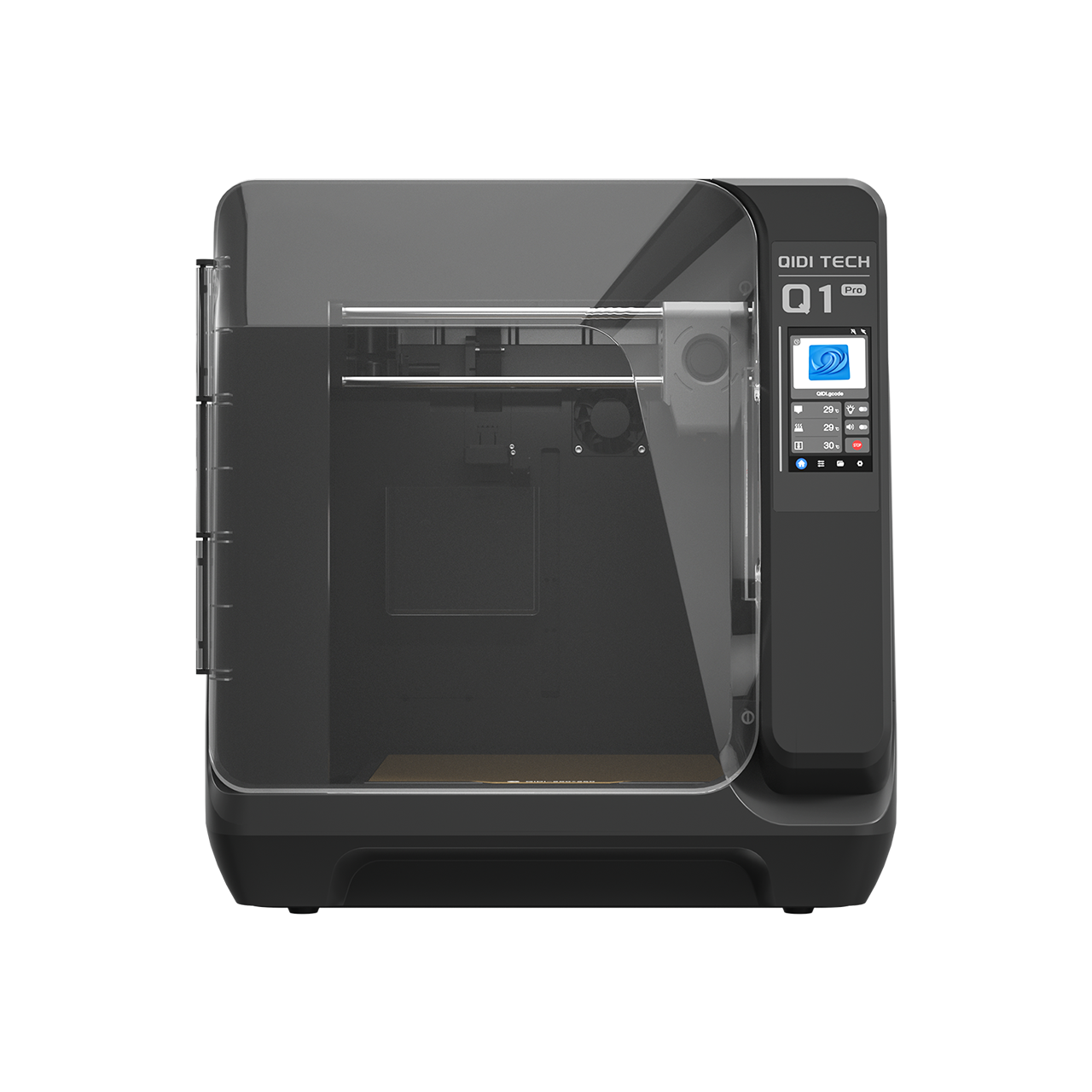
QIDI joined the project as a partner, providing a MAX4 for the final two weeks before his departure.

Why the FUSÃO Collection Needed Custom Displays
FUSÃO brought Brazilian flavors together with French technique. The colors represented the two countries’ flags, with white as the shared background across the presentation.
That choice extended to every display piece. Each had to be white and made for a particular dessert, at a specific height and in the right proportion. A stand that was almost right could still change how the dessert appeared on the table.
Diego searched for ready-made options, but nothing matched the presentation he had planned. Designing the pieces himself gave him control over those details, including how the different desserts would sit together as a collection.
“I needed pieces that would exist only on that table, on that day,” he recalled.
Learning 3D Design, One Print at a Time
Diego’s pastry experience gave him a clear vision for the finished table. Turning that vision into printable files was something he had to learn.
At the beginning, he was unfamiliar with Fusion, Blender, and even the meaning of STL. He started designing, printing, and checking the results, often returning to the same piece several times.
His days developed a rhythm: design in the morning, print in the afternoon, examine what had gone wrong that evening, and make a correction before bed. Working at home let him respond to a mistake while it was still fresh in his mind.
There were walls that came out too thin, a base that sat crooked, and a joint that wouldn’t fit. He kept the unsuccessful pieces lined up on his workbench. Each gave him something specific to change in the next version.

A Larger Printer for a Two-Week Deadline
As the presentation grew, some components became too large for Diego’s existing printers to produce conveniently. The display structures and the snake-shaped master model for the sculpture were particularly demanding.
His earlier approach was to divide a design into sections, print them separately, glue them together, and sand the seams. Every additional joint needed attention, taking time from the other pieces still waiting to be made.
Diego explained what he needed to build, and we provided the QIDI MAX4. It arrived two weeks before his flight to Italy, leaving a short window to complete the printing.
The larger build space let some components print as complete pieces and others use fewer sections. That reduced the assembly and finishing work for those parts. The bed also accommodated several smaller items in a single job, allowing him to organize production in batches.
Across those two weeks, the MAX4 was in almost constant use. As one batch finished, Diego had the next ready to begin. The benefit reached beyond the printer itself: fewer seams to finish and more components ready for the presentation.
Custom Displays, Dessert Bases, and a Sculpture Master
The amount of work became especially clear when Diego opened the boxes at Fabrizio Galla’s pastry shop in Italy. The table was covered with the white pieces he had designed back in Brazil.
The MAX4’s contribution included:
- Ten buffet display stands for the collection.
- More than 100 dessert bases.
- Twenty bases for French-language name tags.
- The snake-shaped master model used to make a silicone mold for the sculpture.
- Custom tools for finishing the pieces.
Diego’s existing printers also contributed, producing the petit four cutters, flower support, channels, and sculpture base. The complete presentation brought together work from several machines, all guided by his designs.
Looking at the white pieces, Diego remembered that none of them had existed before he started the project. Each now had a place in the presentation.
From a Printed Snake Master to a Silicone Mold
The snake-shaped master was used to make the silicone mold for the sculpture’s body. It gave Diego a way to develop a form of his own and carry it into his pastry work.
Seeing it print successfully stayed with him. The shape he had worked on at his computer was now a physical piece he could use for the next stage of the project.

Bringing FUSÃO to the Relais Desserts Table in Lyon
Completing the prints in São Paulo still left a long journey ahead.
The pieces crossed the Atlantic in Diego’s luggage, protected by custom-fit holders he had also designed. In Piedmont, he continued the finishing work before driving across the Alps to Lyon, with the sculpture traveling in the back seat.
On the day of the event, the white table was ready with twenty minutes to spare. The desserts took their places on the custom displays, and the colors of the two flags came together as he had planned. Around one hundred chefs tasted the collection.
We’re glad the MAX4 could help Diego finish the printing in time for his trip. Seeing the pieces take their places in Lyon makes that support especially rewarding. The finished table carries the care he put into every design and revision.
“When I make something myself, an idea becomes reality faster,” Diego said.
- Why the FUSÃO Collection Needed Custom Displays
- Learning 3D Design, One Print at a Time
- A Larger Printer for a Two-Week Deadline
- Custom Displays, Dessert Bases, and a Sculpture Master
- From a Printed Snake Master to a Silicone Mold
- Bringing FUSÃO to the Relais Desserts Table in Lyon
Рекомендуемые продукты