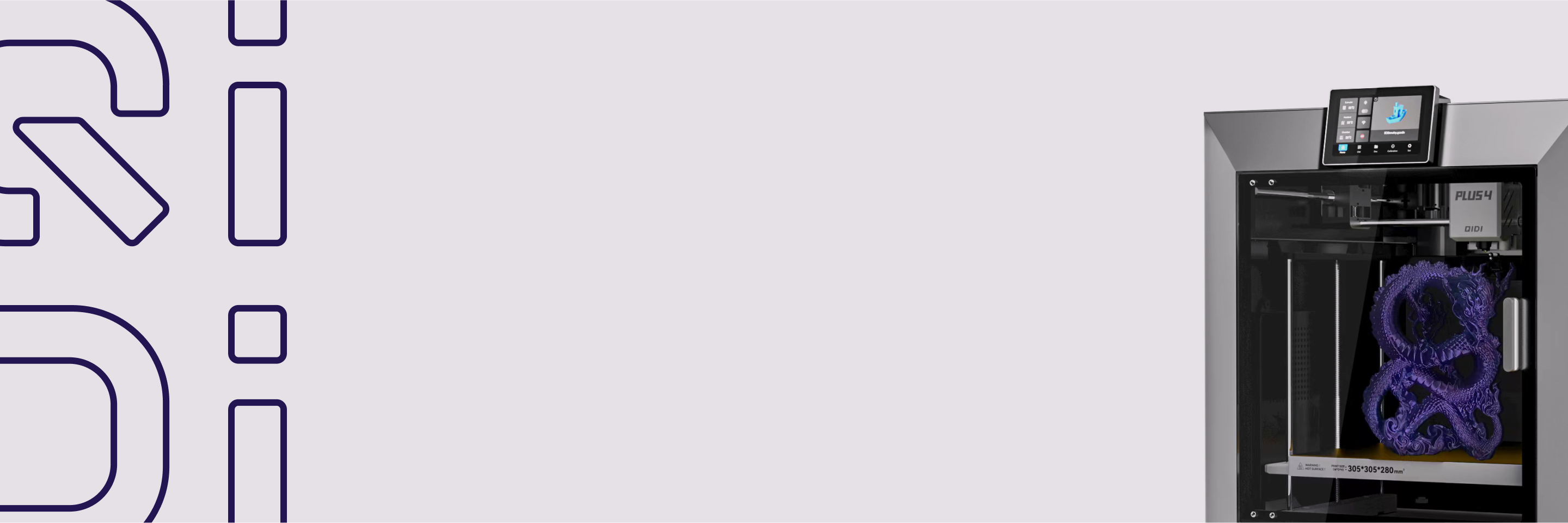

 Q2
Q2




Is ASA Suitable for High-Heat Outdoor Planter Accessories?


The High-Stakes Environment of Outdoor 3D Printing
For the serious maker or small shop owner, "failure" isn't just a messy pile of plastic on the build plate; it is a missed deadline, a frustrated client, or a damaged product in the field. When manufacturing outdoor planter accessories—brackets, drainage systems, or decorative trellis mounts—the environmental stressors are relentless.
While PLA and PETG are staples of the hobbyist world, they often succumb to the "summer sag." This phenomenon occurs when solar radiation raises the part's temperature beyond its structural limit, leading to gradual creep and eventual failure. A side-by-side of the two staples in full sun is in our comparison of ASA vs PETG under direct sunlight. This is where Acrylonitrile Styrene Acrylate (ASA) becomes the professional choice. ASA offers a unique combination of UV resistance, high-heat stability, and mechanical toughness.
In this guide, we will analyze why ASA is the benchmark for high-heat outdoor applications and how to optimize your workflow to ensure predictable, long-term performance.

Understanding the Thermal Delta: Ambient vs. Surface Temperature
A common mistake in material selection is choosing a filament based solely on the local weather forecast. If the weather report says 35°C (95°F), many assume a material with a 60°C heat deflection temperature (HDT) is safe. This is a critical oversight.
In practical field testing, dark-colored parts (especially black or forest green) in direct summer sun can reach surface temperatures 20–30°C above the ambient air temperature. This means a part in 35°C weather is actually experiencing 55–65°C surface temperatures.
Logic Summary: The 20°C Safety Margin Our analysis of outdoor part longevity suggests a "20°C Rule of Thumb." To prevent gradual creep deformation over months of exposure, you should maintain a minimum 20°C margin between the material's Heat Deflection Temperature (HDT) and the maximum expected service temperature.
- Max Service Temp: 65°C (Ambient 35°C + 30°C Solar Gain)
- Required HDT: 85°C or higher.
ASA typically features a glass transition temperature (Tg) around 100°C, providing a comfortable buffer that PETG and standard PLA simply cannot match. According to the Purdue University Libraries 3D Printing Glossary, materials like ABS and ASA are categorized by their ability to withstand higher thermal loads compared to basic bio-plastics.
Why ASA Outperforms ABS and PETG Outdoors
While ABS shares similar thermal properties with ASA, it lacks the critical UV stability required for outdoor use. ABS contains butadiene, which degrades when exposed to ultraviolet light, leading to yellowing, embrittlement, and surface chalking.
ASA replaces butadiene with an acrylate ester, making it inherently resistant to UV radiation. This chemical structure ensures that the mechanical properties remain intact even after years of sun exposure. For a deeper look at these differences, you can explore our technical comparison on ABS vs ASA for Outdoor Structural Mounts.
Material Comparison for Outdoor Planters
| Property | PETG | ABS | ASA |
|---|---|---|---|
| Glass Transition (Tg) | ~70-80°C | ~100-105°C | ~100-105°C |
| UV Resistance | Moderate | Poor | Excellent |
| Weatherability | Good | Poor | Excellent |
| Print Difficulty | Low | High (Warping) | Moderate (Requires Chamber) |
For prosumer workflows where reliability is paramount, ASA Filament provides the necessary industrial-grade durability. If you are designing accessories for hanging planters or drones where weight is a factor, ASA-Aero Filament utilizes on-demand foaming technology to reduce part weight by up to 50% while maintaining the core UV and heat resistance of standard ASA.
Engineering for Thermal Stability: Design Guidelines
Material selection is only half the battle. To survive multiple seasons of thermal expansion and contraction, your design must account for the physical realities of the material.
1. Wall Thickness and Infill Strategy
For planter accessories, thin walls are the enemy of thermal stability. We recommend a wall thickness between 2.5mm and 3.5mm. This provides enough mass to resist "slumping" during peak heat hours.
Pair these thick walls with 25–30% Gyroid infill. Unlike grid or cubic patterns, Gyroid is isotropic, meaning it provides uniform strength in all directions and allows for internal air pockets to act as a minor thermal buffer. This balance allows for some thermal expansion without the internal stresses causing the outer shells to crack.
2. The "Floating Fastener" Technique
Field observations of failed outdoor prints often show cracking around rigid mounting points. ASA has a thermal expansion coefficient of approximately 0.2–0.3%. Over a 200mm part, a 40°C temperature swing can cause a size change of nearly 1mm.
If a part is rigidly fixed with tight-fitting screws, this expansion has nowhere to go, leading to stress fractures.
- Solution: Use oversized mounting holes with washers (floating fasteners). This allows the part to "breathe" as it heats and cools throughout the day.
3. Avoiding Creep at Stress Points
The most common failure mode for ASA isn't a sudden snap; it’s gradual deformation (creep) at mounting points or thin-walled sections. If your planter accessory is holding significant weight, ensure the load is distributed across a large surface area rather than a single point.
Manufacturing Excellence: Printing ASA Reliably
ASA is notorious for warping if printed in a cold or drafty environment. Because ASA has a high glass transition temperature, it requires a stable ambient temperature to release internal stresses during the build.
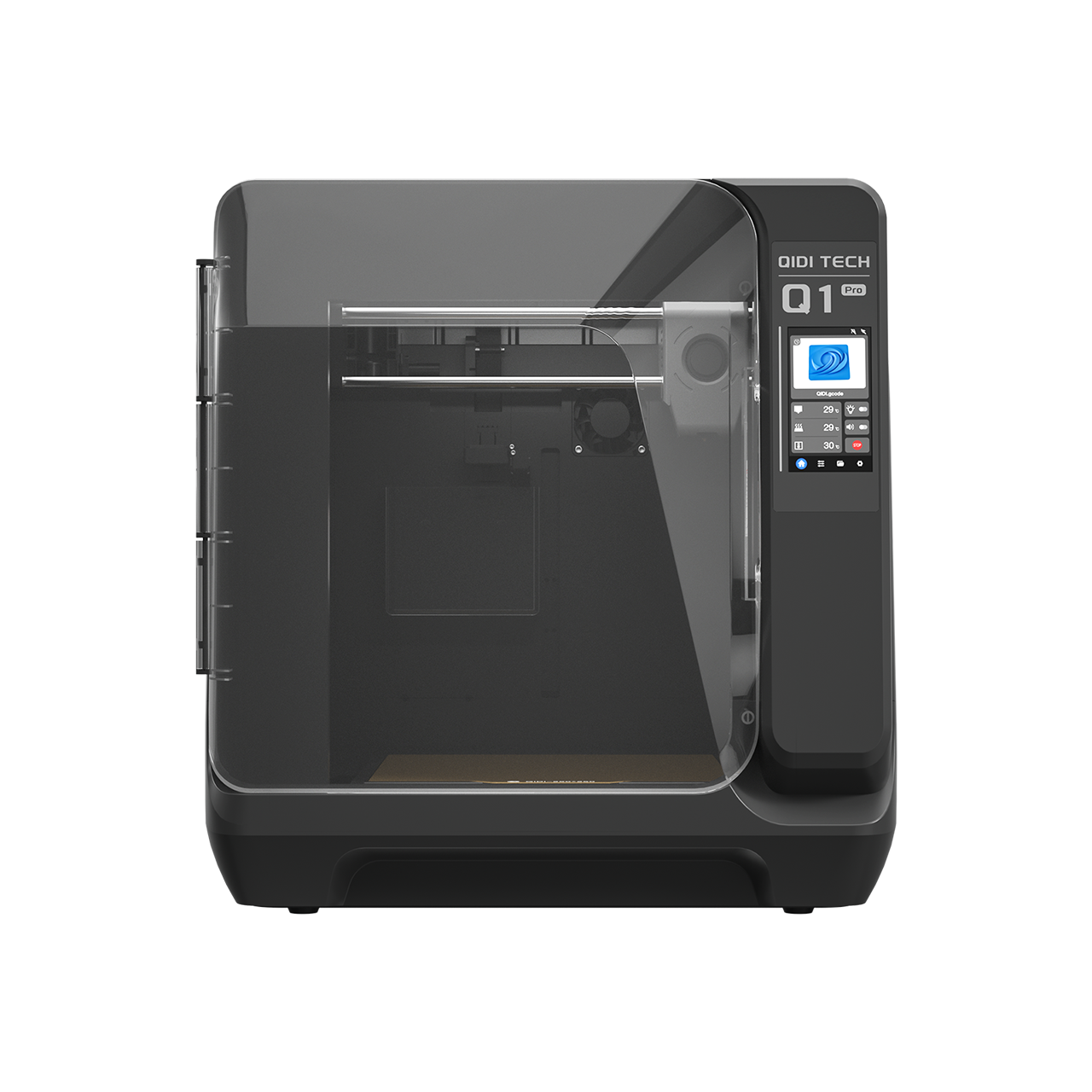
For professional results, using a printer with an active heated chamber, such as the QIDI Q2, is highly recommended. The QIDI Q2 features a 65°C active chamber heating system, which significantly reduces the risk of delamination and warping in large ASA prints. This controlled environment ensures that the layers bond effectively, which is critical for parts that will be under constant tension or weight outdoors.
Post-Processing: The Annealing Advantage
If your planter accessory will be used in extreme climates (e.g., Arizona or Australian summers), you can further enhance its heat resistance through post-print annealing.
Annealing involves heating the printed part to a temperature just below its glass transition point and holding it there for several hours. For ASA, an annealing cycle of 80–85°C for 2–3 hours can:
- Increase the Heat Deflection Temperature (HDT) by 5–8°C.
- Significantly reduce internal stresses that lead to warping in service.
- Improve the bond between layers, increasing overall structural strength.
Note: Ensure the part is supported during annealing (perhaps in a bed of fine sand) to prevent it from deforming under its own weight while the plastic is in a softened state.
Advanced Materials and Sustainability
The industry is also seeing a shift toward more sustainable advanced materials. According to research published in PMC, the development of fibre-reinforced polymer composites for FDM is opening new doors for high-strength, lightweight industrial structures.
For the prosumer, this means that materials like Carbon Fiber ASA (ASA-CF) are becoming more accessible. The addition of carbon fiber not only increases the stiffness of the part but also further reduces the coefficient of thermal expansion, making the part even more dimensionally stable in fluctuating outdoor temperatures.
Summary of Best Practices for ASA Planter Accessories
To move from hobbyist experiments to reliable prosumer production, follow this checklist for outdoor ASA parts:
- Select the Right Grade: Use ASA Filament for standard structural parts and ASA-Aero Filament for weight-sensitive accessories.
- Optimize Geometry: Aim for 2.5–3.5mm walls and use Gyroid infill to manage thermal expansion.
- Control the Environment: Print on a machine like the QIDI Q2C or QIDI Q2 to maintain the necessary ambient heat.
- Design for Movement: Use floating fasteners to accommodate the 0.2% thermal expansion of the material.
- Consider Annealing: Use a 2-hour 80°C cycle for parts exposed to extreme heat to maximize their HDT and lifespan.
By understanding the thermal dynamics of outdoor exposure and leveraging the specific strengths of ASA, you can produce 3D printed components that don't just survive the summer—they thrive in it. Whether you are building custom irrigation mounts or heavy-duty planter brackets, ASA provides the predictable throughput and reduced failure risk required for professional-grade outdoor solutions.
This article is for informational purposes only. When manufacturing structural components, always perform your own load testing and safety validations to ensure the parts meet the specific requirements of your application.
References
- The High-Stakes Environment of Outdoor 3D Printing
- Understanding the Thermal Delta: Ambient vs. Surface Temperature
- Why ASA Outperforms ABS and PETG Outdoors
- Material Comparison for Outdoor Planters
- Engineering for Thermal Stability: Design Guidelines
- 1. Wall Thickness and Infill Strategy
- 2. The "Floating Fastener" Technique
- 3. Avoiding Creep at Stress Points
- Manufacturing Excellence: Printing ASA Reliably
- Post-Processing: The Annealing Advantage
- Advanced Materials and Sustainability
- Summary of Best Practices for ASA Planter Accessories
- References
Productos recomendados