
 Q2
Q2




Can You 3D Print a Replacement for Vintage Furniture Knobs?


Can You 3D Print a Replacement for Vintage Furniture Knobs?
Restoring a piece of antique furniture often feels like a detective story until you hit a dead end: a missing brass pull or a shattered ceramic knob that hasn't been manufactured since the 1920s. For serious makers and restoration enthusiasts, the challenge isn't just finding a replacement; it is finding one that doesn't look like a modern "imposter" while possessing the structural integrity to survive daily use.
In the past, the choice was between expensive custom metal casting or settling for "close enough" hardware from a big-box store. Today, high-performance FDM (Fused Deposition Modeling) printing has matured into a viable solution for the Custom Repair and Maintenance for Household Hardware. By leveraging engineering-grade plastics for the core and decorative filaments for the finish, you can replicate the weight, texture, and durability of historical hardware.
The Material Conflict: Structural Integrity vs. Aesthetic Authenticity
The most common mistake in 3D printing furniture hardware is prioritizing looks over physics. Decorative filaments, such as silk or wood composites, are often brittle or have poor layer adhesion. If you print a knob entirely out of a decorative PLA, the internal threads or the neck of the knob will likely shear off under the torque of a heavy drawer.
To solve this, we recommend a Hybrid Engineering Approach. This involves using high-strength materials for the internal mounting mechanism and "skinning" or post-processing the exterior for the vintage look.
Why Engineering Plastics Matter
For functional hardware, materials like ABS (Acrylonitrile Butadiene Styrene) and ASA (Acrylonitrile Styrene Acrylate) are the industry standards. ABS is favored for its impact resistance and high glass transition temperature, which prevents the part from softening in warm environments.
Logic Summary: Our material selection heuristic for vintage hardware assumes a standard household drawer pull force of 15–25 Newtons (estimated based on typical ergonomic pull ranges). To ensure a safety factor of 3x, the material must withstand at least 75 Newtons of localized torque at the thread interface.
Engineering the Core: ABS and ASA for Durability
When a knob requires a screw thread or a mounting mechanism, we look to materials that handle mechanical stress without "creeping" over time.
- ABS-GF25 Filament: This is a glass-fiber reinforced ABS. The addition of 25% glass fiber significantly increases the tensile strength and reduces the warping common with standard ABS. For knobs that will be used on heavy wardrobes or kitchen cabinets, this provides the "industrial" backbone needed to prevent the mounting screw from stripping the plastic threads.
- ASA-Aero Filament: ASA is the UV-resistant cousin of ABS. The "Aero" variant uses on-demand foaming technology. While usually used for lightweight models, it is excellent for restoration because the matte, slightly porous texture of the foamed surface accepts paints and patinas much better than "slick" plastics.
The Thermal Advantage
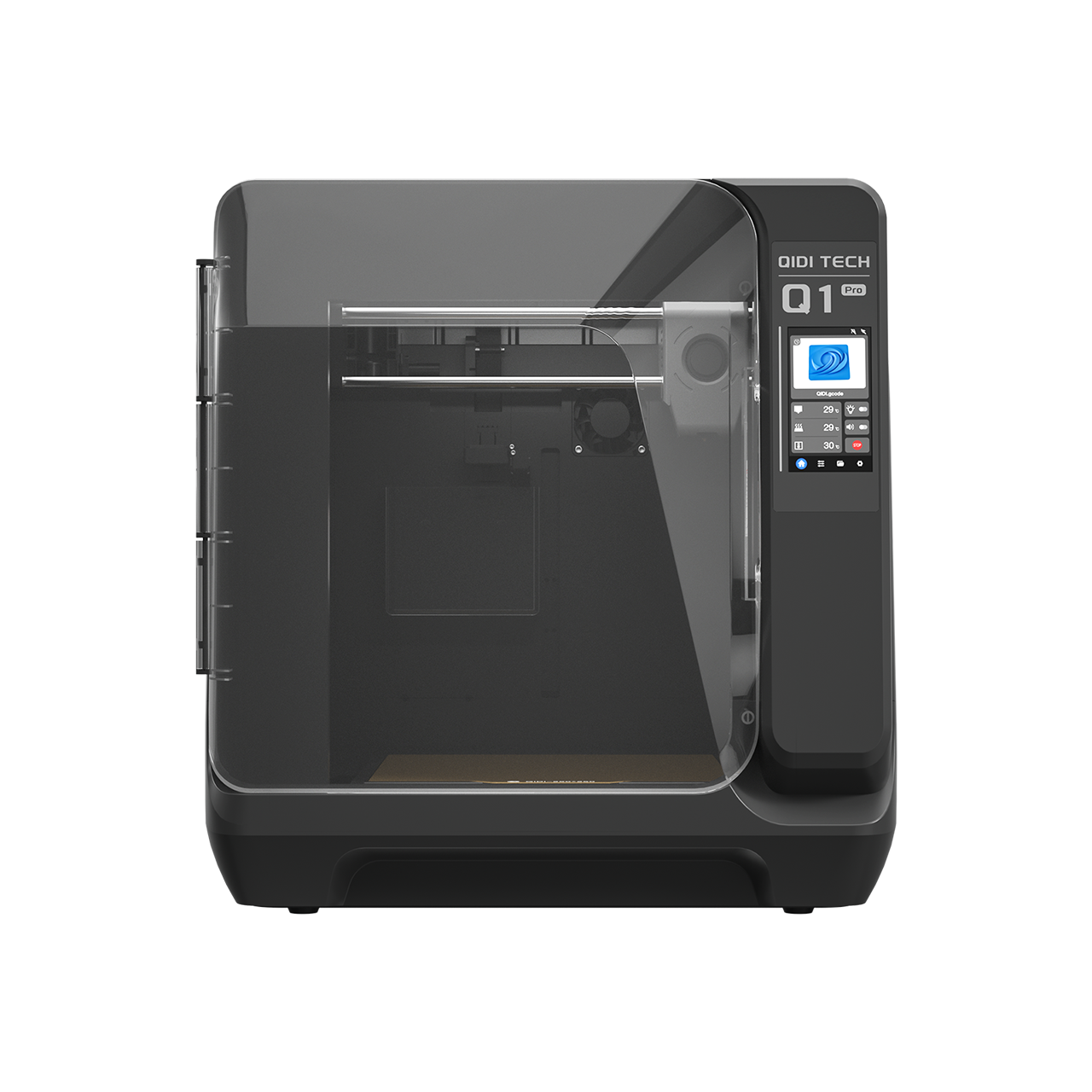
Using an enclosed 3D printer is critical when working with these materials. Consistent chamber temperatures prevent the internal stresses that cause "delamination"—the separation of layers that leads to hardware failure. This is particularly important for small parts like knobs, where the surface area for layer bonding is limited.
Achieving the Vintage Look: Decorative Filaments and Finishes
Once the structural core is solved, the focus shifts to aesthetics. Modern filaments can mimic metal, wood, and even aged ivory.
Metal and Silk Textures
For Victorian or Art Deco hardware, a metallic sheen is essential.
- PLA Rapido Metal Filament: This material provides a high-value metallic sheen without the weight or nozzle wear of actual metal-filled filaments. It is ideal for replicating brushed brass or aged bronze.
- PLA Rapido Silk Filament: Silk PLA is highly viscous and offers a glossy finish that mimics polished nickel or chrome. While these materials are aesthetically superior, they should be used for the outer shell or low-stress decorative elements only.
| Feature | Engineering Core (ABS/ASA) | Decorative Shell (Silk/Metal PLA) |
|---|---|---|
| Post-Processing | Excellent (Acetone Smoothing) | Moderate (Sanding/Polishing) |
| UV Stability | High (ASA) | Low |
| Recommended Use | Structural core, threads, mounting | Outer shell, decorative pulls |

Technical Execution: Reverse Engineering the "Perfect Fit"
To replace a missing knob, you must first reverse-engineer the mounting system. Most vintage furniture uses standard M4 or 8-32 screws, but the depth of the hole is critical.
The "3x Wall" Heuristic
Based on patterns observed in household hardware repair (not a controlled lab study), we suggest a "3x Wall" rule for functional knobs:
- Perimeters: Use at least 4–6 wall loops (perimeters).
- Infill: 40% or higher, using a "Gyroid" or "Cubic" pattern for multi-directional strength.
- Thread Depth: The internal thread should be at least 3 times the diameter of the screw (e.g., 12mm deep for an M4 screw) to distribute the load.
Post-Processing for Authenticity
A 3D print looks like a 3D print until you apply the "Restorer's Touch."
- Sanding: Start with 120-grit to remove layer lines, moving up to 400-grit for a smooth finish.
- Chemical Smoothing: For ABS parts, a brief exposure to acetone vapor can melt the surface slightly, creating a glossy, "cast" look that is indistinguishable from original hardware.
- Distressing: Use a dry-brush technique with dark acrylic paint to simulate the "patina" or "grime" found in the crevices of old hardware.
If you are dealing with other repair issues, such as Cracked Refrigerator Handles or Broken Cabinet Hinges, the same principles of material selection and post-processing apply.
The Macro View: 3D Printing and Sustainable Homes
Beyond simple repairs, 3D printing is becoming a cornerstone of the "Circular Economy." Additive manufacturing contributes to sustainable smart homes by reducing waste and enabling the customization of existing structures rather than replacing them entirely.
By printing a single knob instead of discarding a dresser or buying a mass-produced set that doesn't match, you are participating in a global shift toward localized, intelligent manufacturing — proving that precision and reliability in 3D printing can certainly handle the demands of everyday home hardware.
Summary of Best Practices
To achieve professional-grade results when printing vintage furniture knobs, follow this checklist:
- Select the Right Core: Use ABS-GF25 Filament for any knob that will experience high torque or heavy weight.
- Match the Aesthetic: Use PLA Rapido Silk Filament or PLA Rapido Metal Filament for purely decorative pulls or outer shells.
- Avoid Common Pitfalls: Do not use 100% decorative PLA for functional threads; they will eventually fail.
- Post-Process for Realism: Sanding and selective painting are what transform a plastic part into a "vintage" artifact.
- Leverage Enclosures: Ensure your printer is enclosed to maintain the temperature stability required for engineering-grade filaments.
Whether you are a small shop owner fulfilling a client's restoration request or a hobbyist saving a family heirloom, 3D printing provides the tools to bridge the gap between the craftsmanship of the past and the technology of the future.
Disclaimer: This article is for informational purposes only. When repairing furniture, ensure that all hardware is securely fastened to prevent choking hazards or injury. 3D printed parts may not meet the same load-bearing certifications as original factory hardware; use discretion for heavy-duty applications.
- Can You 3D Print a Replacement for Vintage Furniture Knobs?
- The Material Conflict: Structural Integrity vs. Aesthetic Authenticity
- Why Engineering Plastics Matter
- Engineering the Core: ABS and ASA for Durability
- The Thermal Advantage
- Achieving the Vintage Look: Decorative Filaments and Finishes
- Metal and Silk Textures
- Technical Execution: Reverse Engineering the "Perfect Fit"
- The "3x Wall" Heuristic
- Post-Processing for Authenticity
- The Macro View: 3D Printing and Sustainable Homes
- Summary of Best Practices
Рекомендуемые продукты