

 Q2


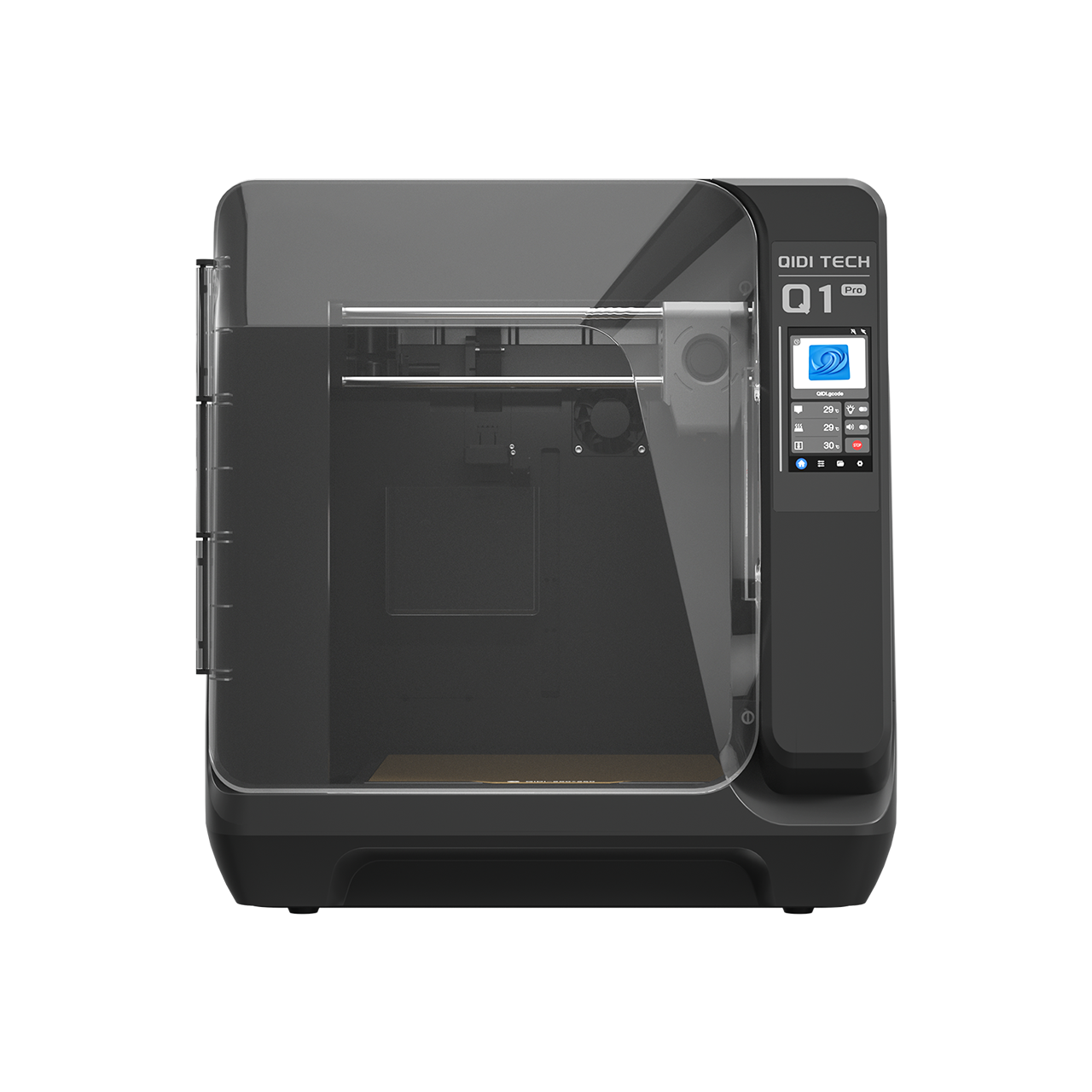



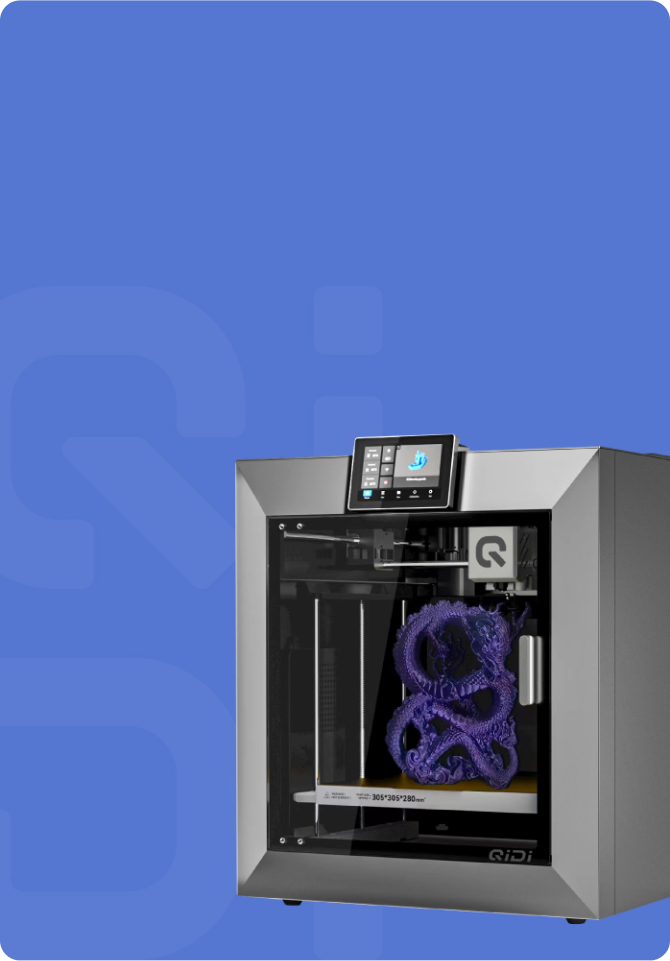
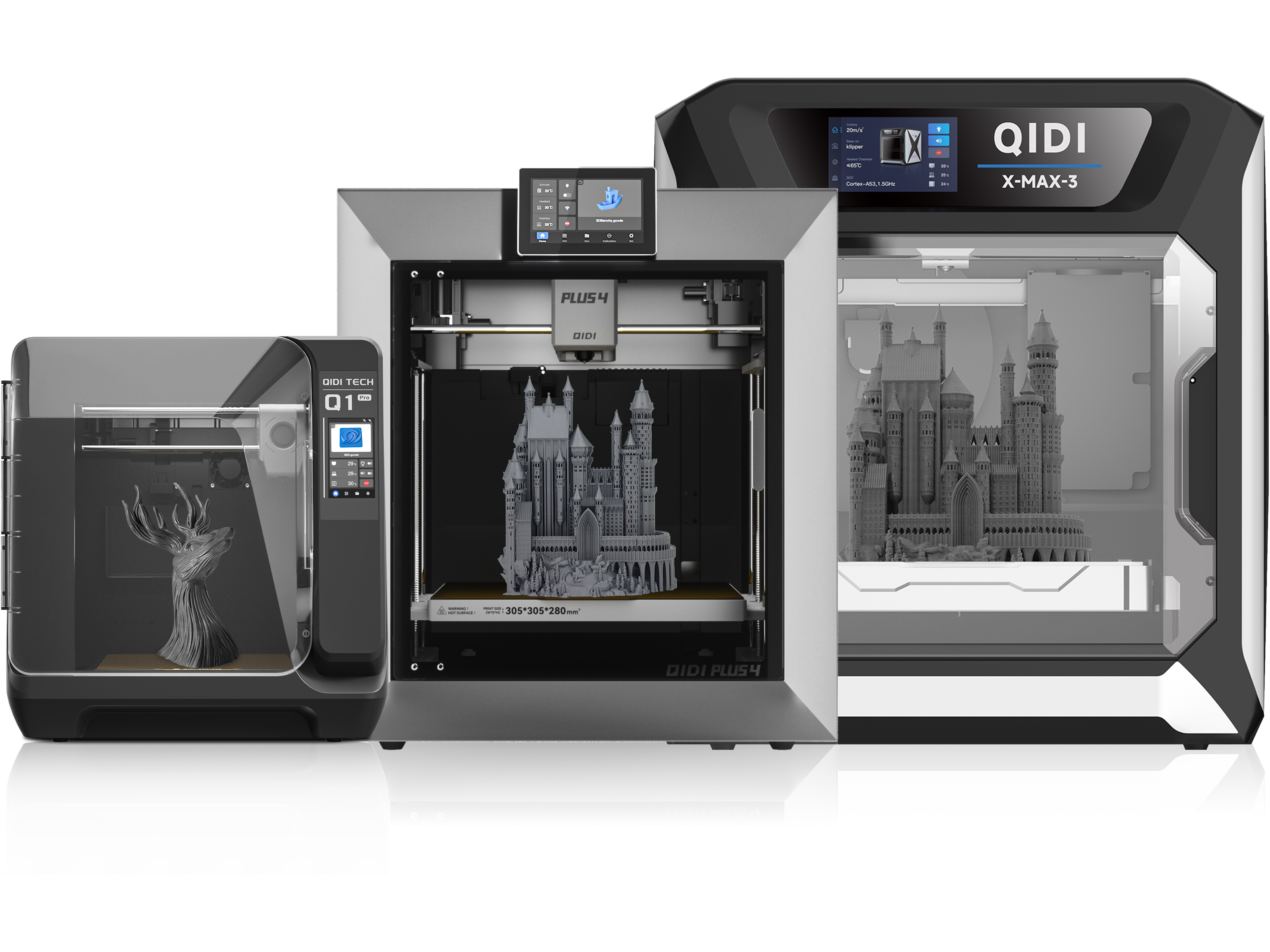
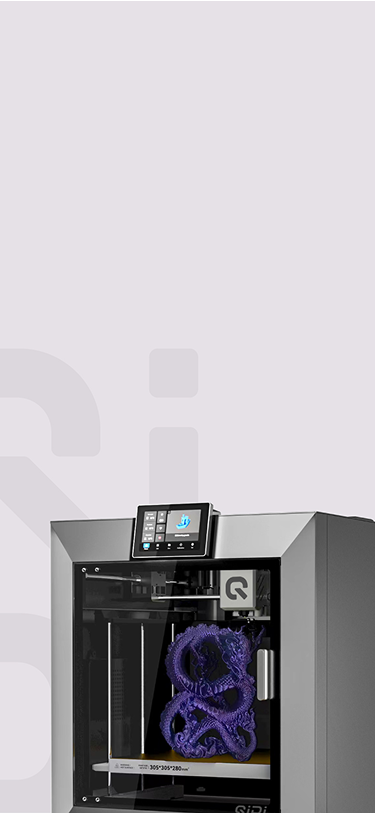
QIDI Plus4 Accessories
Plus4 Accessories is the parts shelf for the Plus4: bimetal hotends and tungsten carbide nozzles, PEI build plates, runout and tangle sensors, cooling fans, a replacement chamber heater, the camera, the 32GB EMMC module, and a filament dryer box. The page tagline, strong, smooth, reliable, maps to the three things that fail first on an FDM printer: the nozzle, the first layer, and the sensors that stop a print before it wastes a spool.
Hotend and Nozzles: Bimetal, Tungsten Carbide, and Spares
The nozzle wears before anything else, and abrasive filament speeds it up. QIDI gives you three ways to handle it: swap the whole bimetal nozzle hotend when the assembly is due, move to a tungsten carbide bimetal nozzle when carbon- and glass-filled filament is routine, or keep a pair of bimetal nozzles on the shelf for everyday PLA and PETG. Bimetal holds up to abrasive wear far better than brass, and tungsten carbide wears slower still.
- Plus4 Bimetal Nozzle Hotend, $44.99: the complete assembly with a 0.4mm nozzle fitted, ready to drop in.
- Plus4 Bimetal Nozzles, 2pcs, $39.99: 2pcs of the same size; choose from 0.2/0.4/0.6/0.8mm.
- Tungsten Carbide Bimetal Nozzle, $59.99: 0.4, 0.6, and 0.8mm for abrasive filament and long runs.
- Silicone sock protectors, PEI wiper sheets, and wiper silicone cases: low-cost spares that keep the hotend clean between jobs.
Build Plates for First-Layer Adhesion
Most "filament not sticking to bed" problems are plate problems. The dual-sided PEI plate puts a PEI surface on both sides, so a worn face is a flip away, and the smooth PEI plate adds a 0.5mm spring-steel core that releases prints with a flex. If you print mostly PLA and PETG, the Cool Plate is the specialist: a sticky coating that needs no glue stick and leaves a smooth bottom, sized for the Plus4.
- Dual-sided PEI Plate, $39.99: a PEI surface on both sides, so a worn face is a flip away.
- Dual-sided Smooth PEI Plate, $59.99: 0.5mm spring steel and a smoother print texture.
- Cool Plate, $29.99: PLA and PETG grip without adhesive, with a smooth base finish.
Extruder, Runout Sensors, and Cutting
The feed path is where a print fails quietly: filament runs out, tangles, or the cutter jams. The filament runout sensor is the current revision, with a reworked core that catches the end of a spool more reliably, and the tangle sensor watches the drag that comes before a snapped strand. The extruder, extruder cable, and a 5-piece cutter blade set finish the path, so a worn part is a short swap instead of a stalled weekend.
- Plus4 Extruder, $29.99, and Extruder Cable, $9.99: the drive and its wiring as a matched replacement.
- Filament Runout Sensor, $9.99: higher detection sensitivity on the latest version.
- Filament Tangle Sensor, $19.99, and Cutter Blade, 5pcs, $4.99: keep the feed clean and the cut crisp.
Cooling, Chamber Heating, and Air Quality
Cooling and heat are the two levers over print quality, and both are serviceable on the Plus4. The auxiliary cooling fan adds extra part cooling from the side, the hotend cooling fan keeps the heat break cool, and the model cooling fan keeps the printed part cool where it matters. The chamber heater is a drop-in replacement for the heated chamber the Plus4 already runs, not an upgrade, so ABS, ASA, and nylon hold chamber temperature after a part fails. The activated carbon bag fits the Plus4, X-Plus 3, X-Max 3, and Q1 Pro to adsorb gases from printing.
- Auxiliary Cooling Fan, $24.99: dedicated part cooling for overhangs and bridges.
- Hotend Cooling Fan, $9.99, and Model Cooling Fan, $14.99: heat-break and part cooling.
- Chamber Heater and Fan, $39.99: replacement for the Plus4 heated chamber.
- Activated Carbon Bag, $5.99: fits Plus4, X-Plus 3, X-Max 3, and Q1 Pro.
Electronics, Camera, and Filament Care
The last group keeps the machine running and the filament dry. The camera lets you watch a long print remotely, the motherboard is a replacement control board for board-level faults, and the EMMC 32GB module is the one upgrade worth making if you are still on a TF card: it is faster and more stable, ships with the system image pre-installed. For filament, the filament dryer box seals a spool behind a PP lid, ABS body, and VMQ ring, and with desiccant it keeps PA12-CF, UltraPA, ABS, and PETG from taking on moisture and stringing.
- EMMC 32GB Module, $45.99: faster, more stable storage than a TF card, with the system image pre-installed.
- Plus4 Camera, $39.99, and Motherboard, $200.00: remote monitoring, and a replacement control board that is not a straight drop-in swap.
- Filament Dryer Box, $39.00: sealed storage for water-absorbent filament.
Häufig gestellte Fragen zu QIDI Plus4 Zubehör
Ein komplettes Hotend, Ersatz-Bimetalldüsen oder eine Wolframkarbiddüse – was soll ich kaufen?
Kaufen Sie ein komplettes Bimetall-Hotend, wenn die gesamte Baugruppe ausgetauscht werden muss und Sie einen besonders schnellen Wechsel wünschen. Verwenden Sie Bimetalldüsen, wenn Sie zwischen verschiedenen Projekten die Düsengröße wechseln. Wolframkarbid ist die beste Wahl, wenn Sie regelmäßig mit kohlenstoff- oder glasfaserverstärktem Filament arbeiten, da es am langsamsten verschleißt.
Benötige ich die Cool Plate, wenn ich bereits eine PEI-Platte habe?
Nur wenn Sie hauptsächlich mit PLA und PETG drucken. Die PEI-Platten decken das gesamte Materialspektrum ab. Die Cool Plate ist der Spezialist für PLA und PETG: Sie haftet ohne Klebstoff und hinterlässt eine glatte Unterseite, ideal für Ausstellungsstücke und große PLA-Druckvolumen.
Handelt es sich bei diesen Teilen um Upgrades oder Ersatzteile?
Die meisten sind Originalersatzteile für die entsprechenden Teile. Plus4 Ist bereits vorhanden. Kammerheizung, automatische Nivellierung, Hauptplatine und Lüfter sind Ersatzteile, keine Upgrades. Zu den Erweiterungen gehören die Kühlplatte, die Filament-Trocknungsbox und das EMMC-Modul, das eine TF-Karte durch einen schnelleren und stabileren Speicher ersetzt.
Was verhindern die Runout- und Tangle-Sensoren?
Ein Spulenausgangssensor stoppt den Drucker, sobald eine Spule zu Ende ist, sodass er pausiert, anstatt ins Leere zu drucken. Ein Verwicklungssensor erkennt den Widerstand eines sich kreuzenden Fadens, bevor dieser reißt oder zu wenig Material extrudiert. Zusammen verhindern diese Sensoren zwei häufige Fehler, die über Nacht auftreten können, und machen den Druckvorgang zu einer Pause, die Sie fortsetzen können.
Welche Teile sollte ich als Ersatzteile behalten?
Düsen, Silikonschläuche, PEI-Abstreiffolien und Schneidmesser – die Verschleißteile, die sich bei normalem Gebrauch abnutzen. Eine Ersatz-Bimetalldüse und eine Packung Abstreiffolien decken die häufigsten Unterbrechungen während des Projekts ab.