

 Q2
Q2
 QIDI Box
 Plus 4
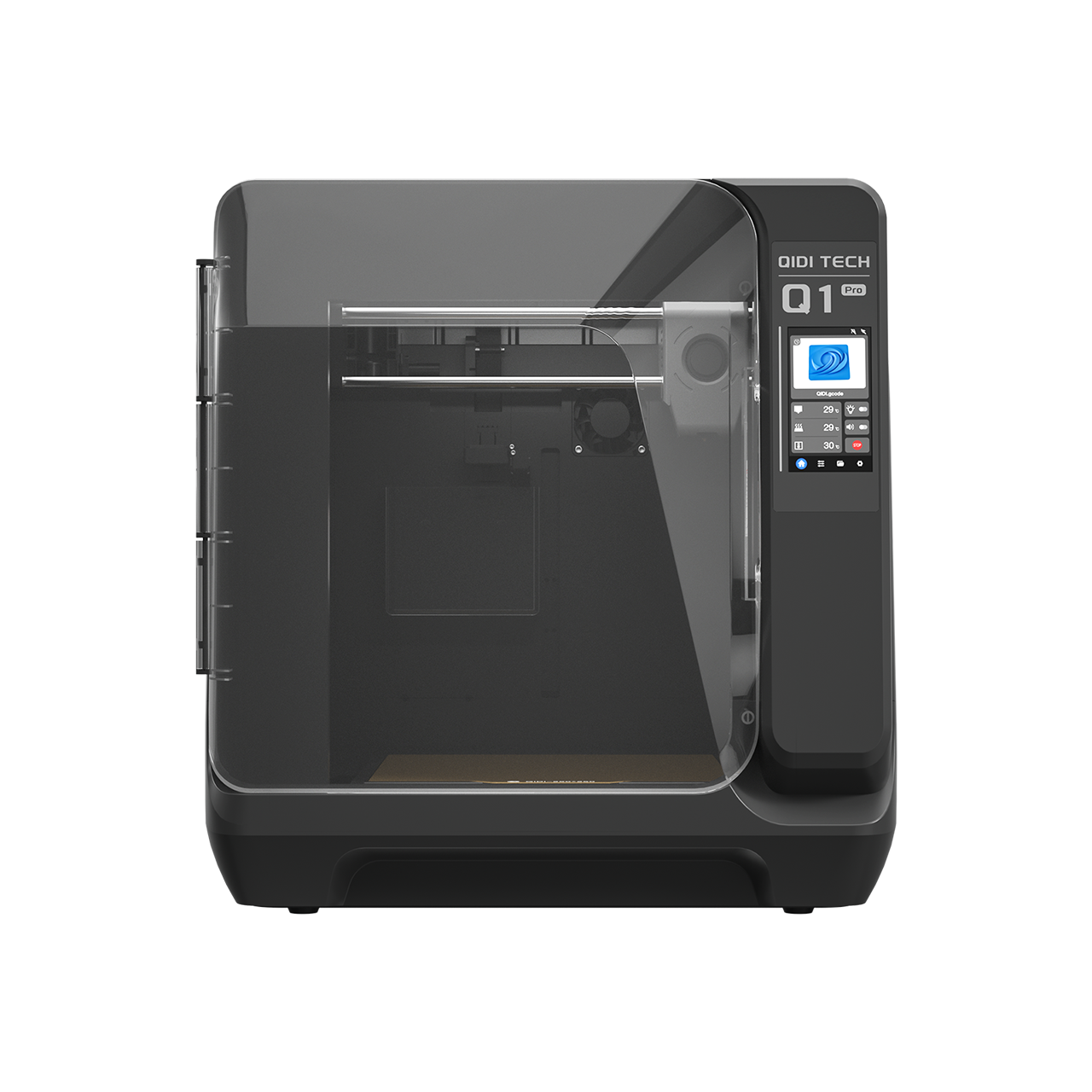 Q1 Pro
 X-Max 3


Frequently Asked Questions about QIDI 3D Printers
What Can FDM 3D Printers Print?
FDM 3D printers are used in many fields, including:
Daily Necessities: Print household items such as mobile phone holders, key chains, coasters, spice jar holders, and office supplies such as file storage boxes and mouse pads.
Artistic and Decorative Pieces: Used to create sculptures, including abstract sculptures and sculptures with specific themes, and to make unique jewelry such as earrings and necklace pendants.
Educational Models: Make teaching models, such as human organ models in biology classes, topographic models in geography classes, and geometric models in mathematics classes.
Industrial Prototypes & Custom Parts: Print product prototypes for appearance and function testing in the early stages of product development, and print customized parts for special industrial equipment.
Medical & Healthcare Applications: Make customized orthopedic appliances, such as arch support pads, and surgical guides to assist oral or orthopedic surgery.
Which model works best for someone completely new to 3D printing?
The QIDI Q2 hits the sweet spot. Automatic calibration handles the first layer correctly without manual adjustments, the enclosed heated chamber works with a wide range of materials, and built-in air filtration keeps your space safe.
What materials can I print on a QIDI 3D printer?
Every model handles standard materials including PLA, PETG, and ABS. Models with heated chambers and all-metal hotends add support for engineering materials like nylon, carbon fiber-filled composites, PC, and ASA. The QIDI Max4 is specifically optimized for long runs with high-temperature composites.
Can I use filament from brands other than QIDI?
Yes. QIDI printers work with standard 1.75mm filament from any third-party manufacturer. Our own filaments come pre-calibrated for best results, but you’re free to source materials wherever you prefer.

