
 2분기
2분기




Printing Small Moments of Joy: How a QIDI Q2 Helps Create Toys for Children in the Hospital


A pencil follows a numbered path across a round stencil. At first, the marks do not seem to form anything recognizable. Then a picture begins to appear. Nearby, an articulated dragon bends and curls in a child’s hands.
For a young patient spending hours in a hospital room, these small discoveries provide something immediate: an object to explore, a puzzle to finish, and a few minutes in which the next number matters more than the next procedure.
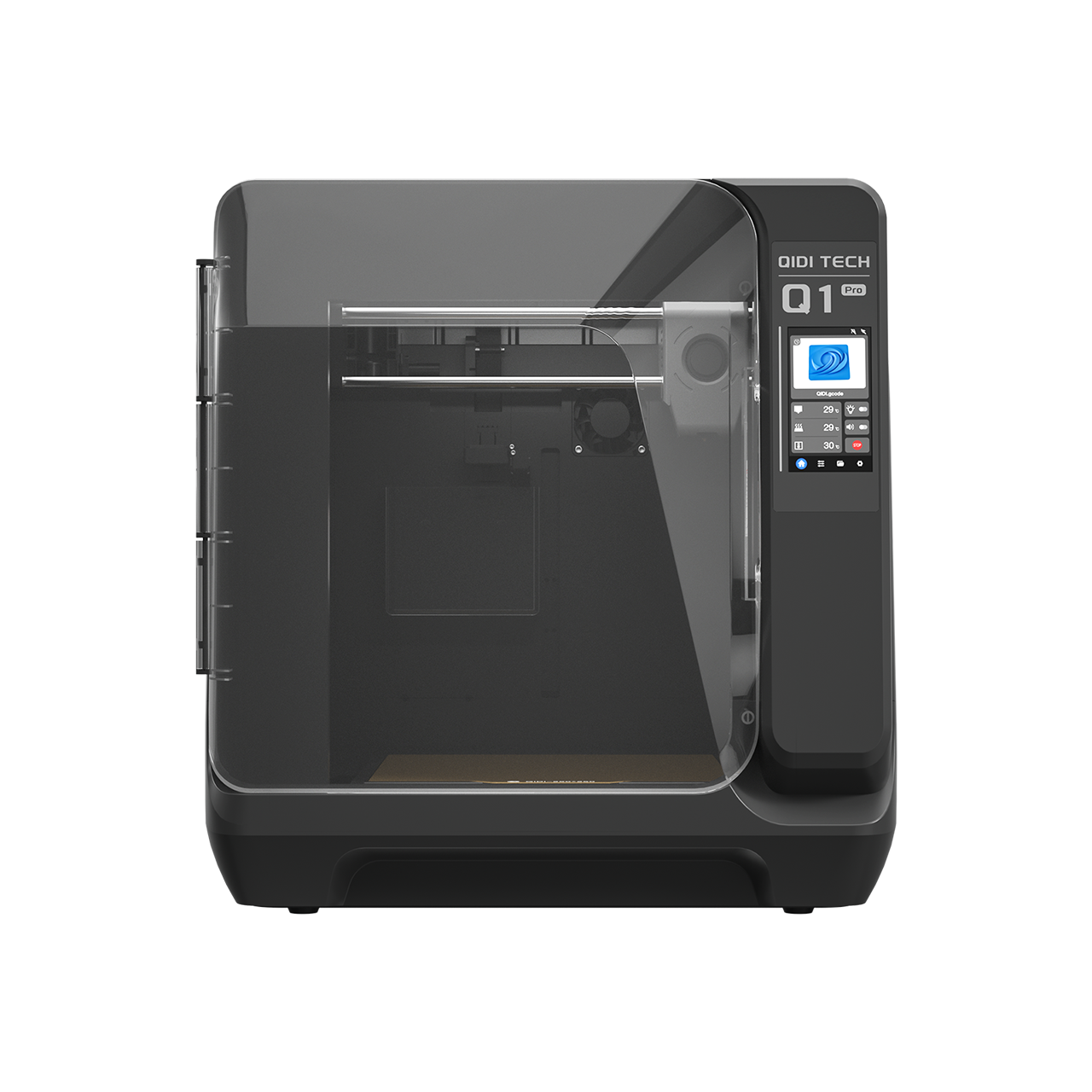
The toys come from the home workshop of a medical 3D printing engineer who has spent more than a decade using additive manufacturing in clinical work. When we learned how he was using his personal printers to support the hospital’s Child Life program, we were glad to help the project grow by sponsoring a QIDI Q2.

A Career Built Around Medical 3D Printing
3D printing has long been more than a hobby for this engineer. His career has centered on medical 3D printing, where digital anatomy can become a physical model that clinicians and patients can see and hold.
Over the years, he kept returning to one question: could the same technology support the person behind the diagnosis as well as the clinical work around it?
One answer came through a program that created physical copies of patients’ tumors for an emotional rather than diagnostic purpose. Many patients responded by physically breaking the models, using the experience as a way to confront and externalize their fight against cancer. The experience reinforced his belief that a printed object can carry meaning beyond its material and technical specifications.
The Dragon That Changed the Purpose of a Hobby
Even with that work underway, another question stayed with him: what could his own collection of printers do for children during long hospital stays?
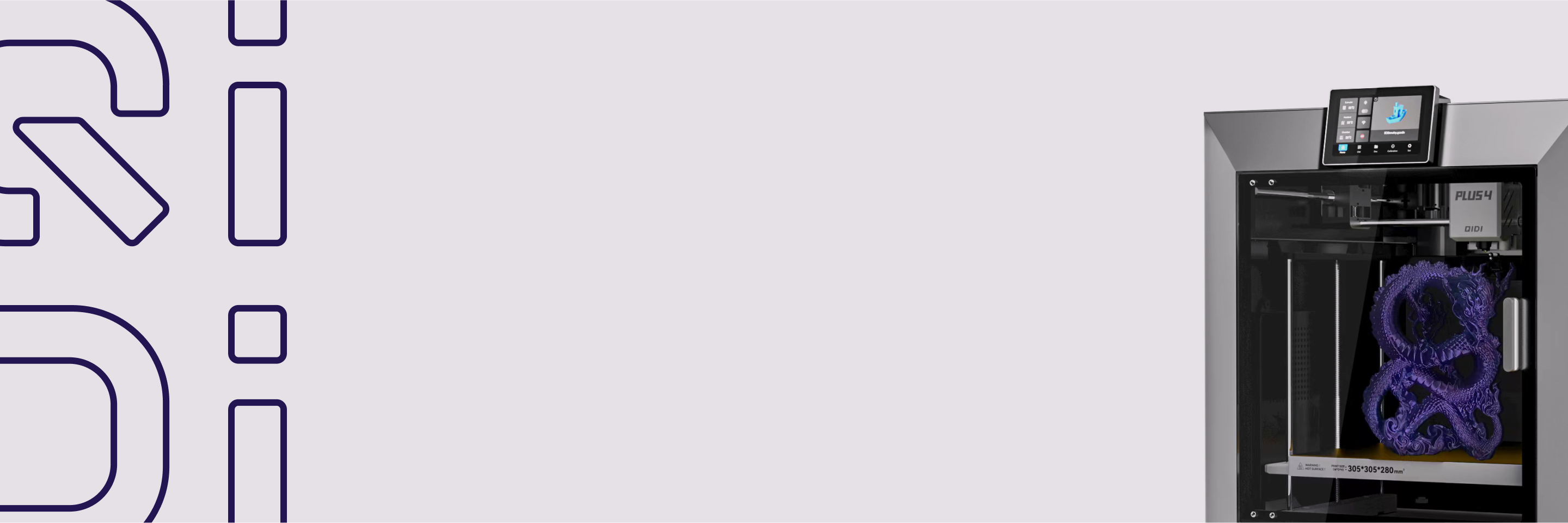
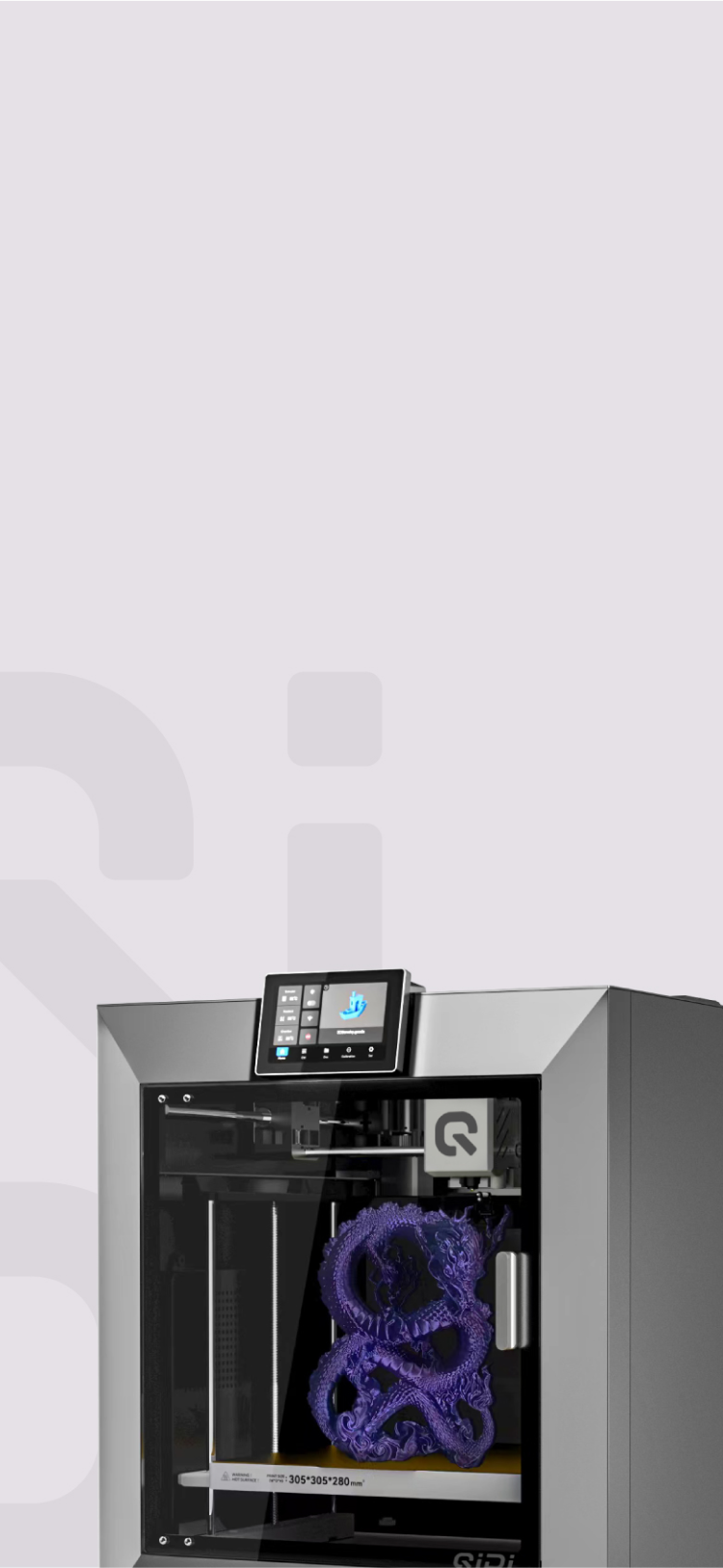
The answer arrived through an ordinary request. A friend asked him to print an articulated dragon that his son had seen at a farmer's market. A few hours later, the dragon was ready. Its linked body flexed naturally, turning a simple print into a toy that could coil, wiggle, and move from hand to hand.
Watching the child’s reaction changed how the engineer viewed his hobby. His clinical work used 3D printing to address medical needs. His personal printers could create play, surprise, and a welcome change of focus for children facing difficult days.

Two Designs Became Clear Favorites
He began donating an assortment of 3D-printed toys and creative activities to the hospital’s Child Life program. Feedback soon revealed two clear favorites: articulated dragons and twist art stencils.
The dragons appealed through movement and touch. Children could bend their tails, move their linked bodies, and enjoy the tactile experience of the articulated design.
The twist art stencils offered a different kind of interaction. Each stencil contains numbered paths, but the final picture is difficult to guess from the outline alone. Children follow the sequence with a pencil, pen, or marker until the hidden image gradually appears.
With more than 100 available designs, the activity can reveal a new surprise each time. Siblings and family members can also participate, turning waiting time into a shared project.
Making the Stencils Easier to Read
In a single-color print, the indexing numbers and guide marks blended into the stencil. A design intended to be intuitive became harder to read, especially when light caught the surface at the wrong angle.
The solution was a QIDI BOX. By switching between contrasting filament colors during the print, multicolor printing made the numbers and paths easier to distinguish. The finished stencils could come off the build plate ready for the donation box, without hand painting or manual filament changes.
For an engineer accustomed to producing mostly functional, single-color parts, multicolor printing had once seemed optional. In this project, the second color served a practical purpose by making the activity clearer and easier to use.
Why the QIDI Q2 Fits This Donation Project
For this project, the value of the QIDI Q2 comes from how its features support a repeatable workflow. The engineer often prints several toys or stencils in one batch, so consistent first layers and fewer setup interruptions help him spend more time producing parts.
The nozzle-as-probe leveling system helps achieve reliable and consistent first layers, while the enclosed build area, three-stage filtration, and exhaust connection suit the way he manages his home printing space. The QIDI BOX keeps filament dry while enabling the high-contrast stencils, and remote control through the app allows him to start, stop, pause prints, check the camera, and make adjustments from anywhere.
The Q2 is also MET certified, which was another consideration in his equipment decision. He continues to follow the operating, ventilation, material, and supervision instructions provided for the printer and each filament.
For this donation project, reliability has a direct result. Every completed build plate means more dragons and stencils can reach the hospital.

From the Print Bed to the Hospital
Whenever time allows, the engineer loads another batch. He watches for filament sales, uses material carefully, and keeps a box nearby for completed prints. Dragons settle into the corners, stencils stack across the top, and smaller flexible toys fill the remaining spaces. Once the box is full, it goes to the hospital for the Child Life team to distribute.
These objects are not intended to replace clinical care or produce a medical outcome. They are engaging things that children can touch, explore, and make their own. In an environment shaped by schedules, procedures, and waiting, choosing a dragon or revealing a hidden picture can offer a welcome moment of control.
Turning Filament Into Moments of Joy
At QIDI, we often talk about helping people turn ideas into physical objects. This project shows how modest that object can be and how meaningful its purpose may become. A spool of filament becomes a dragon. A second color makes a puzzle easier to follow. A few hours of printing become something a child can hold during a difficult day.
We are proud to support an engineer who found room for care in both his profession and his hobby. His project continues to grow one batch and one donation box at a time.
“My love for tinkering translates directly into a smile in a hospital ward. It’s a powerful reminder that sometimes the most important thing we can ‘print’ isn’t a functional prototype—it’s a moment of pure joy.”
— Medical 3D Printing Engineer Behind the Project