
 2분기
2분기




3D 프린팅 도구로 에스프레소 스테이션 업그레이드


에스프레소 도구를 3D 프린터로 제작하는 이유는 무엇일까요?
에스프레소 액세서리에는 두 가지 문제가 있습니다. 하나는 가격에 비해 성능이 떨어진다는 것이고, 다른 하나는 사용하는 기기에 딱 맞는 사이즈를 찾기가 어렵다는 것입니다. 정밀 가공된 알루미늄 WDT 툴은 30~60달러 정도 하고, 54mm 브레빌 포터필터용 도징 깔때기는 20~40달러입니다. 카운터 공간에 딱 맞는 탬퍼 스탠드를 찾으려면 시중에서 구하기가 쉽지 않습니다.
3D 프린터로 출력하는 WDT 툴은 필라멘트 비용만 1달러 미만입니다. 도징 깔때기도 비슷한 가격이죠. 게다가 치수를 직접 조절할 수 있기 때문에 모든 부품이 사용하는 머신에 완벽하게 맞습니다. 저는 가기아 클래식용 도징 깔때기를 출력해서 포터필터 테두리를 캘리퍼스로 측정해 보니 흔들림 없이 딱 맞았습니다. 세 번의 시행착오 끝에 원하는 결과를 얻었지만, 출력 시간은 각각 20분 정도에 PETG 필라멘트 몇 그램만 소모되었습니다.
그만큼 홈바리스타 커뮤니티 수년간 3D 프린팅으로 제작된 에스프레소 도구를 공유해 왔습니다. 디자인은 완성도가 높고, 허용 오차는 문서화되어 있으며, 프린팅 설정도 최적화되어 있습니다.

WDT 도구
WDT는 Weiss Distribution Technique의 약자입니다. 존 와이스의 이름을 따서 명명됨 이 방법은 2005년 CoffeeGeek에 처음 소개되었습니다. 핵심은 탬핑하기 전에 포터필터 바스켓에 담긴 분쇄 커피를 얇은 바늘로 저어 덩어리를 풀어주는 것입니다. 덩어리는 채널링을 유발하고, 채널링은 추출 불균형을 초래합니다. WDT 도구는 이러한 문제를 해결해 줍니다.
필요한 것
이 도구는 손잡이 모양에 아래쪽으로 7~9개의 얇은 침이 꽂혀 있는 형태입니다. 온라인에서 0.35mm × 75mm 크기의 침 한 팩(100개에 약 5달러)을 구입하세요. 손잡이 모양을 출력하고, 구멍에 침을 꽂으면 완성입니다.
그만큼 Printables의 9핀 WDT 도구 jkim_makes님이 제작한 이 모델은 가장 많이 다운로드된 버전 중 하나입니다. 70mm 팔각형 받침대와 58.5mm 원형 받침대 두 가지 버전이 있습니다. 저는 원형 받침대를 PLA 소재로 0.2mm 레이어 높이, 4면 구조, 20% 채움 밀도로 출력했습니다. 바늘 구멍 크기는 0.4mm로, 0.35mm 바늘과 마찰력으로 고정됩니다. 접착제는 필요 없습니다.
인쇄 팁
손잡이를 똑바로 세워서 출력하면 잡는 방향으로 최대한의 강도를 얻을 수 있습니다. 바늘 구멍이 깨끗해야 하므로 구멍이 있는 아랫부분은 0.12~0.15mm의 레이어 높이로 출력하세요. 바늘이 헐거워지면 각 바늘에 순간접착제를 아주 소량씩 발라주면 단단하게 고정됩니다. 인민해방군 기본 이 도구는 뜨거운 액체와 접촉하지 않기 때문에 문제없이 작동합니다. 바늘이 모든 작업을 수행하고 손잡이는 바늘을 고정하는 역할만 합니다.
투약 깔때기
도징 깔때기는 포터필터 위에 놓여 원두를 갈 때 생기는 가루를 받아줍니다. 깔때기가 없으면 원두 가루가 조리대, 저울, 드립 트레이에 흩어지게 됩니다. 하지만 도징 깔때기를 사용하면 모든 원두 가루가 바스켓 안으로 모입니다.
사이즈가 중요합니다
포타필터 크기는 기기마다 다릅니다. 사용하는 머신의 바스켓 직경을 알아야 합니다.
| 지름 | 일반 기계 |
|---|---|
| 58mm | Gaggia, E61 그룹 기계, La Marzocco, 대부분의 상업용 |
| 54mm | 브레빌/세이지 (바리스타 익스프레스, 프로, 터치 등) |
| 51mm | 일부 드롱기 가정용 기기 |
캘리퍼스로 포터필터 안쪽 테두리 지름을 측정하세요. 깔때기 안쪽 가장자리는 포터필터 바깥쪽 테두리보다 0.3~0.5mm 작아야 꽉 끼어서 마찰력으로 고정됩니다. 너무 꽉 끼면 한 손으로 빼내기가 어렵고, 너무 헐거우면 분쇄 중에 미끄러집니다.
세 번의 시행착오 끝에 마침내 완벽한 제품을 만들었습니다. 첫 번째는 너무 꽉 끼어서 억지로 빼내야 했고, 두 번째는 너무 헐거워 흔들거렸습니다. 세 번째는 정확히 0.4mm의 간격을 두고 끼워졌는데, 딸깍 소리가 나면서 부드럽게 끼워지고 깔끔하게 분리되었습니다. 각 시행착오마다 20분씩 출력 시간이 소요되었습니다. 바로 이런 점에서 3D 프린팅의 진가가 드러납니다. 처음부터 완벽하게 만드는 것이 아니라, 빠른 반복 작업을 통해 정밀도를 미세하게 조정할 수 있다는 점입니다.
인쇄 설정
뜨거운 바닥이나 증기에 닿을 수 있는 깔때기는 PETG 재질로 제작하세요. 최소 3면 구조에 0.2mm 레이어 높이로 출력해야 합니다. 깔때기 내부에 서포트가 생기지 않도록 넓은 쪽이 빌드 플레이트에 닿도록 뒤집어서 출력하세요. 깔때기 내부가 좁아지는 형태라면, 서포트를 내부에 두고 바로 출력하세요. 더 자세한 내용은 다음을 참조하세요. PETG는 식품 접촉에 적합합니다., 커피 액세서리의 경우에도 고려 사항은 비슷합니다.
스테이션 액세서리
필수적인 두 가지 외에도, 인쇄할 가치가 있는 다양한 스테이션 정리 도구들이 있습니다.
탬퍼 및 포타필터 스탠드
탬퍼 스탠드는 샷을 추출할 때마다 탬퍼를 똑바로 세워 깨끗하게 유지해 줍니다. 포터필터 홀더는 포터필터를 넣은 상태에서 굴러가지 않도록 안정적으로 놓아둘 수 있게 해줍니다. 두 제품 모두 PLA 소재, 0.2mm 레이어 두께, 15% 채움 밀도로 간단하게 출력할 수 있습니다. 식품과 접촉하지 않으므로 특별한 재료가 필요하지 않습니다. 사용하시는 탬퍼의 지름과 포터필터 손잡이 너비에 맞춰 크기를 조정하세요.
노크 박스 인서트
넉박스에 있는 고무 막대는 별도의 개조 없이도 잘 작동하지만, 맞춤형 인서트를 추가하여 헹굼용 배수구, 더 많은 양의 퍽을 넣을 수 있는 더 깊은 홈, 또는 물 튀김 방지 장치를 만들 수 있습니다. 충격 저항을 위해 PETG 소재로 80% 채움 밀도와 자이로이드 패턴으로 출력하세요. Prusa의 3D 프린팅 커피 도구 가이드 매일 충격을 받는 노크박스 구성 요소에도 동일한 설정을 권장합니다.
1회용 콩 호퍼
원두를 한 번에 다 넣는 대신 샷 한 잔 분량씩 따로 계량해서 추출하는 경우, 그라인더 입구 위에 얹어 원두가 쏟아지지 않도록 유도하는 작은 튜브가 유용합니다. PLA 소재로 그라인더 입구 크기에 맞춰 길고 좁은 형태로 출력하세요. 저는 유레카 미뇽 그라인더용으로 원두 18g을 정확히 담을 수 있는 튜브를 만들었는데, 그라인더 입구에 딱 맞게 끼워집니다. 이제 더 이상 조리대 위로 흩어진 원두를 찾아 헤맬 필요가 없어요.
물받이 트레이 및 정리대 받침대
사용하는 머신의 그룹헤드 아래에 딱 맞도록 맞춤 제작된 드립 트레이. 탬퍼, WDT, 도징 깔때기를 한 곳에 보관할 수 있는 정리대. 모듈식 정리를 선호하신다면, 그리드피니티 베이스플레이트 에스프레소 머신 근처에 액세서리, 청소 용품, 여분의 바스켓 등을 정리할 수 있는 공간을 마련했습니다. 저는 머신 옆에 놓을 수 있는 3x2 크기의 Gridfinity 받침대를 출력해서 모든 물건을 수납할 수 있도록 했습니다.
재료 및 식품 안전
에스프레소 프린팅 관련 포럼에서 식품 안전 문제가 끊임없이 제기됩니다. 실질적인 답변을 드리겠습니다.
커피나 물에 닿지 않는 물품(탬퍼 스탠드, 정리함, 포터필터 홀더)은 출력하기 쉬운 재료를 사용하세요. PLA도 괜찮습니다.
건조 분말과 잠깐 접촉하는 제품(WDT 도구, 계량 깔때기 등): PLA 또는 PETG 재질 모두 적합합니다. 접촉 시간이 짧고, 온도는 상온이며, 건조 분말에서 플라스틱으로 유해 물질이 용출되지 않습니다. 사용 후 세척하면 문제없습니다.
뜨거운 액체와 접촉하는 부품(노크 박스 인서트, 드립 트레이)에는 PLA(55-60°C Tg)보다 열 안정성이 높은 PETG(80-85°C Tg)를 사용하는 것이 좋습니다. PLA는 뜨거운 에스프레소 물에 닿으면 거의 즉시 연화되고 변형되는 반면, PETG는 잔열과 습기에도 변형 없이 견딜 수 있을 만큼 견고합니다.
3D 프린팅에서 "식품 안전"이 실제로 무엇을 의미하는지 더 자세히 알아보려면 다음을 참조하세요. 프루사 식품안전 FDM 가이드 이 글에서는 층간 세균 감염 위험, 노즐 재질, 코팅 적용의 필요성 등 미묘한 차이점을 다룹니다. 특히 에스프레소 도구의 경우 접촉 시간이 짧고 세척이 잦기 때문에 위험도가 낮습니다.
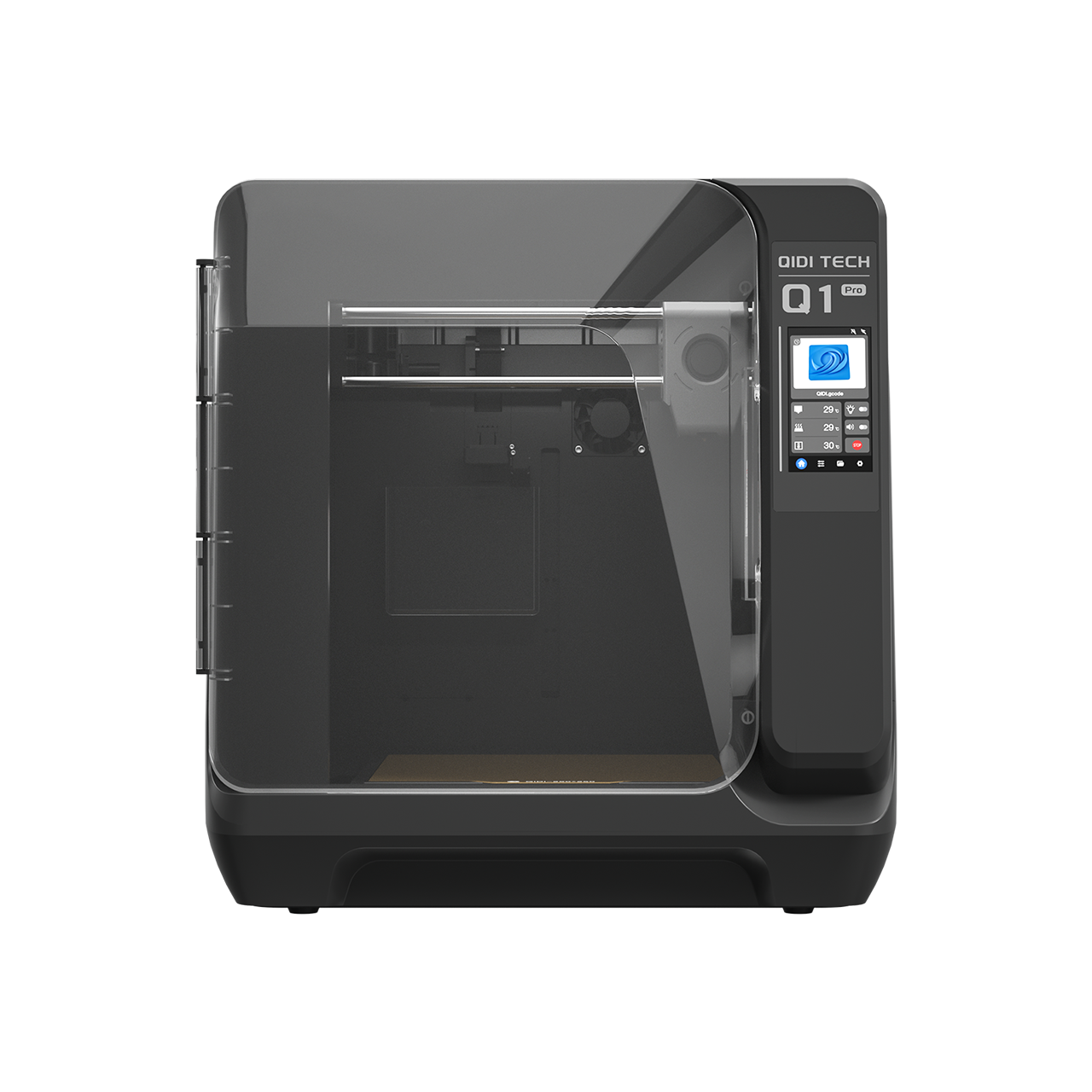
PETG 소재를 사용할 수 있는 프린터라면 어떤 것이든 이러한 프로젝트에 사용할 수 있습니다. 2분기 이 가격대에서 가열 챔버 덕분에 PETG 소재를 안정적으로 출력할 수 있으며, 출력 용량이 커서 큰 드립 트레이도 한 번에 출력할 수 있습니다. 적합한 제품을 찾으실 수 있을 겁니다. 필라멘트 출력하는 내용에 따라 달라집니다. 그리고 맞춤형 부품을 설계하게 된다면, 마찬가지로 적용됩니다. 교체 부품의 CAD-to-print 워크플로 에스프레소 액세서리에 적용됩니다.
자주 묻는 질문
첫 에스프레소 사진으로 가장 좋은 건 뭘까요?
WDT 도구입니다. 인쇄 비용이 거의 들지 않고, 제작 시간도 1시간 미만이며, 샷 품질에 눈에 띄는 차이를 만들어냅니다. 아직 침이 없다면, 침이 도착할 때까지 이 투약 깔때기부터 사용해 보세요.
PLA는 에스프레소 머신의 열에 녹을까요?
PLA는 55~60°C에서 연화됩니다. 출력물이 보일러 근처 기계 위에 놓일 경우 시간이 지남에 따라 변형될 수 있습니다. 기계에서 멀리 떨어진 조리대 위에 놓는 출력물은 PLA로 출력해도 괜찮습니다. 기계 근처 또는 기계 위에 놓는 출력물은 PETG로 출력하는 것이 좋습니다. 확실하지 않을 때는 PETG로 출력하세요.
계량 깔때기는 얼마나 꽉 조여야 할까요?
깔때기 안쪽 가장자리와 포터필터 바깥쪽 가장자리 사이에 0.3~0.5mm의 간격을 두세요. 이렇게 하면 한 손으로 쉽게 끼우고 뺄 수 있는 마찰력을 얻을 수 있습니다. 전체 출력 전에 테스트 링(깔때기 아래쪽 5mm 부분만)을 먼저 출력하여 잘 맞는지 확인하세요.
WDT에는 0.35mm 바늘과 0.4mm 바늘 중 어느 것이 더 좋을까요?
0.3~0.4mm가 최적의 침 굵기입니다. 이보다 가는 침(0.25mm)은 너무 쉽게 구부러지고 커피 뭉침을 잘 풀어주지 못합니다. 반대로 이보다 굵은 침(0.5mm 이상)은 커피 뭉침을 분리하기보다는 밀어내는 경향이 있습니다. 에스프레소 업계에서는 0.35mm 침을 가장 일반적으로 추천합니다. 더 자세한 정보는 다음을 참조하세요. 초보자를 위한 프로젝트 아이디어 에스프레소를 넘어, 기능성 프린트의 세계는 무궁무진합니다.