

 Q2
Q2
 QIDI Box
 Plus 4
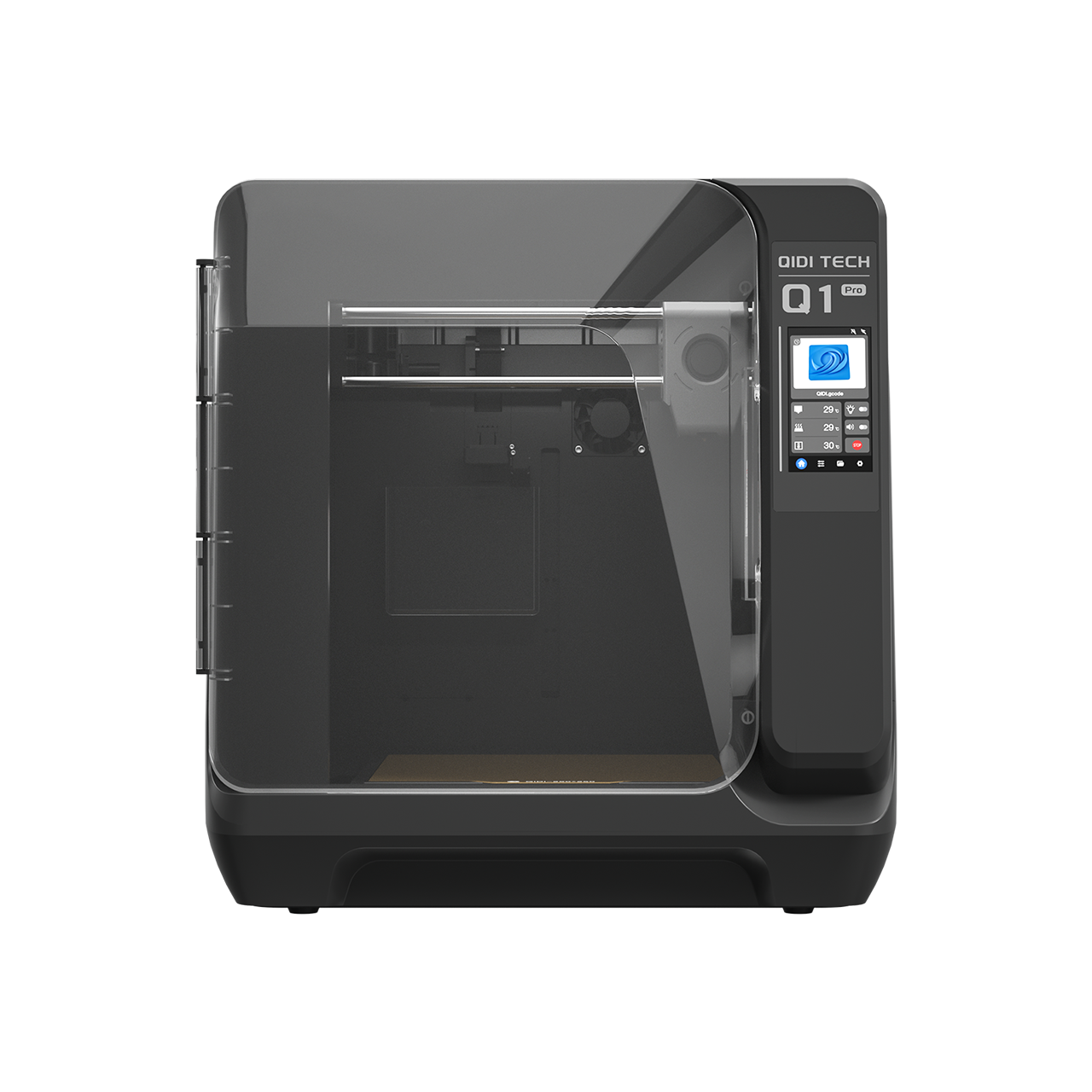 Q1 Pro
 X-Max 3


A Technical Guide of QIDI 3D Printer Filaments
Because material selection is what fundamentally determines success with any 3D printing project, the filament itself dictates the strength, heat resistance, surface finish, and overall performance of the final object. QIDI 3D printer filaments are engineered to provide a precise material solution for every technical requirement, from basic prototyping to industrial-grade functional parts. Each filament is manufactured to exacting standards for consistent diameter and performance, ensuring reliability from spool to finished print. This overview details the properties of our materials to help you select the correct filament for your specific application.
Foundational Filaments for General-Purpose Printing
From prototyping to production, our foundational materials provide an optimal balance of printability and performance.
PLA stands apart from other thermoplastics due to its ease of use and low warping factor, as well as excellent bridging characteristics, making it capable of producing objects featuring fine details. It is a very good material for visual models, as well as for design prototypes. Our QIDI PLA Matte filament improves upon standard PLA by providing a non-reflective, frosted texture that effectively conceals layer lines, giving a sophisticated finish right off the print bed.
PETG, or Polyethylene Terephthalate Glycol, represents a significant jump up in mechanical strength for those applications requiring much more durability. The combination of good impact and chemical resistance, added to the low-shrinkage printing characteristics of PLA, makes it a reliable choice for functional parts, mechanical brackets, and protective casings.
Engineering Filaments for Demanding Environments
When parts need to be subjected to mechanical stress and/or higher temperatures, engineering-grade filaments must be used.
ABS, or Acrylonitrile Butadiene Styrene, is a tough polymer featuring high impact strength and high heat deflection temperature, making it perfect for parts such as electronic enclosures. For outdoor usage, ASA, or Acrylonitrile Styrene Acrylate, provides similar mechanical properties to ABS, with the critical addition of far superior UV resistance against degradation caused by sun exposure. These materials print successfully under the stable thermal environment an enclosed printer can offer.
QIDI ABS-GF25 is an advanced composite filament for more extreme industrial applications, with 25% glass fiber reinforcement. The addition greatly enhances the material's stiffness, dimensional stability, and heat resistance, making it suitable for the creation of robust jigs and fixtures, as well as end-use automotive parts.
High-Performance Composites for Maximum Strength
Composite filaments represent the pinnacle of performance in FDM printing. These materials take a robust base polymer and add in chopped carbon or glass fibers to create parts that boast very impressive stiffness and strength. To print these very abrasive filaments, a hardened steel nozzle is required to prevent rapid wear.
Our QIDI PA12-CF is an industrial-grade material together with reinforcement by carbon fibers. This results in very strong and stiff parts with good high-temperature stability, making this material a top choice for producing manufacturing aids, robotics, and lightweight structural components. For those users who require high stiffness but want much easier printing, QIDI PETG-CF combines the ease of use of PETG with carbon fiber rigidity, ideal for functional parts that must support loads without bending.
Specialized Filaments for Unique Applications
This range also contains specific needs materials like TPU, which is short for Thermoplastic Polyurethane. This flexible and rubber-like filament is used for making parts that may bend, stretch, or absorb impacts while acting as seals, gaskets, or vibration dampeners. Matching the technical specifications of a filament to those required by your project will ensure functionally sound and reliable results.
Frequently Asked Questions about QIDI Filaments
Which QIDI filament is best for a beginner?
We recommend starting with QIDI PLA Matte or standard PLA. These are very forgiving materials, print with minimal warping, and offer great-looking visuals. Most importantly, they will provide an excellent way to learn the basics of 3D printing before moving on to engineering-grade materials.
Do I need a special nozzle for carbon fiber or glass fiber filaments?
Yes. Carbon fiber and glass fiber filaments are abrasive, so they require a nozzle that is harder and more wear-resistant than standard brass.
If you are using a QIDI brand printer:
The standard bimetallic nozzle included with QIDI printers can handle all filament types, including carbon fiber and glass fiber composites. If you need even greater durability and longer nozzle life, you can upgrade to a tungsten carbide nozzle.
If you are using a printer from another brand:
Please note that some composite carbon fiber and glass fiber filaments — such as PA12-CF, PET-CF, PETG-CF, etc. — require a nozzle with hardness equal to or higher than hardened steel. Using a standard brass nozzle with these materials will cause rapid nozzle wear and may affect print quality.
What is the difference between PLA, PETG, and ABS?
PLA is the easiest to print, biodegradable, and ideal for beginners, but it has low heat resistance. PETG offers a good balance of strength, durability, and moderate heat resistance, making it a versatile all-round material. ABS is strong, impact-resistant, and heat-resistant, but it requires an enclosed printer and proper ventilation due to warping and fumes.
Do I need to dry my filament before printing?
Yes, many filaments are hygroscopic and absorb moisture from the air, especially nylon (PA), TPU, PETG, and PC. Printing with wet filament can cause stringing, poor layer adhesion, bubbles, and weak parts. It is recommended to dry these filaments before printing and store them in a sealed container with desiccant.

