

 Q2
 QIDI Box
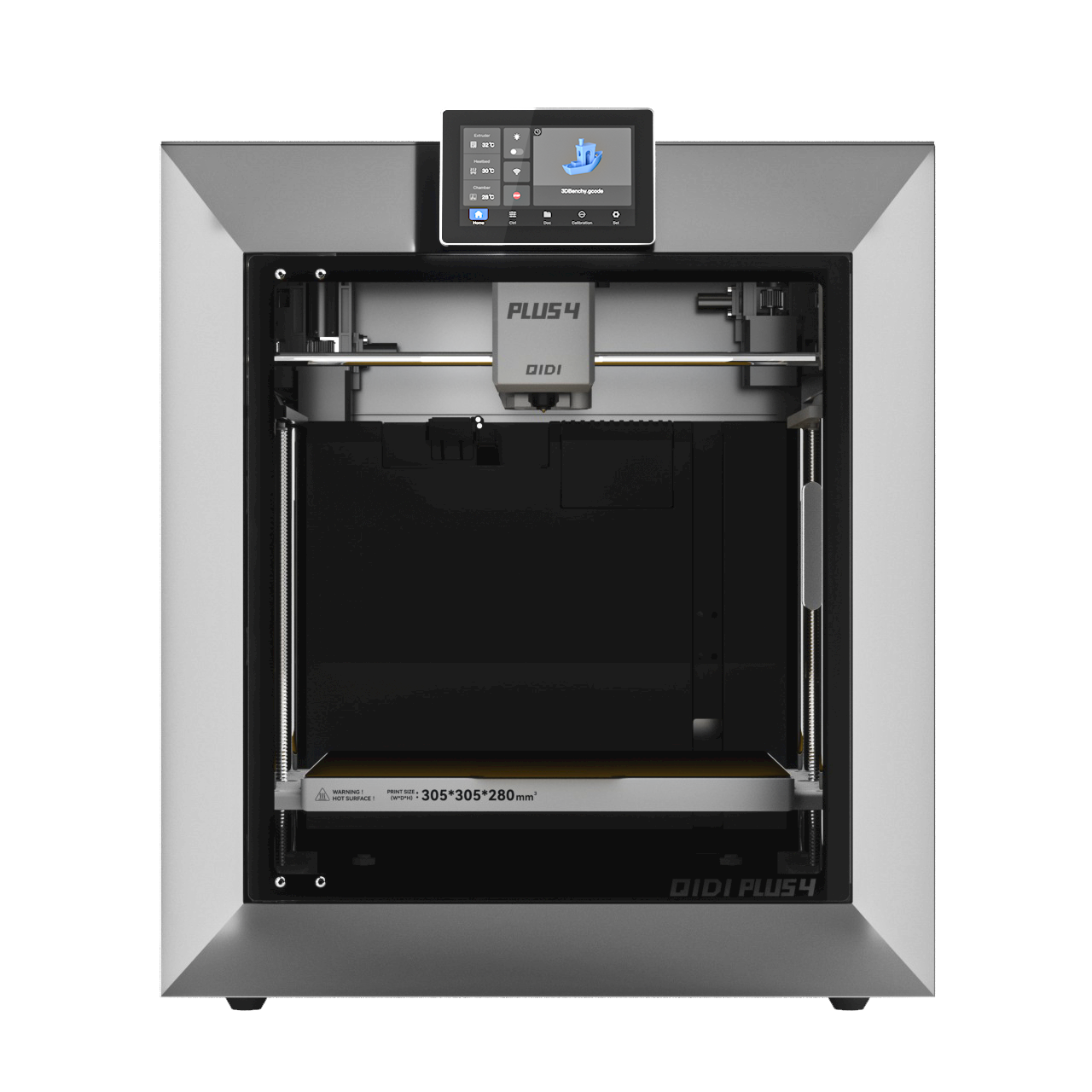 Plus 4
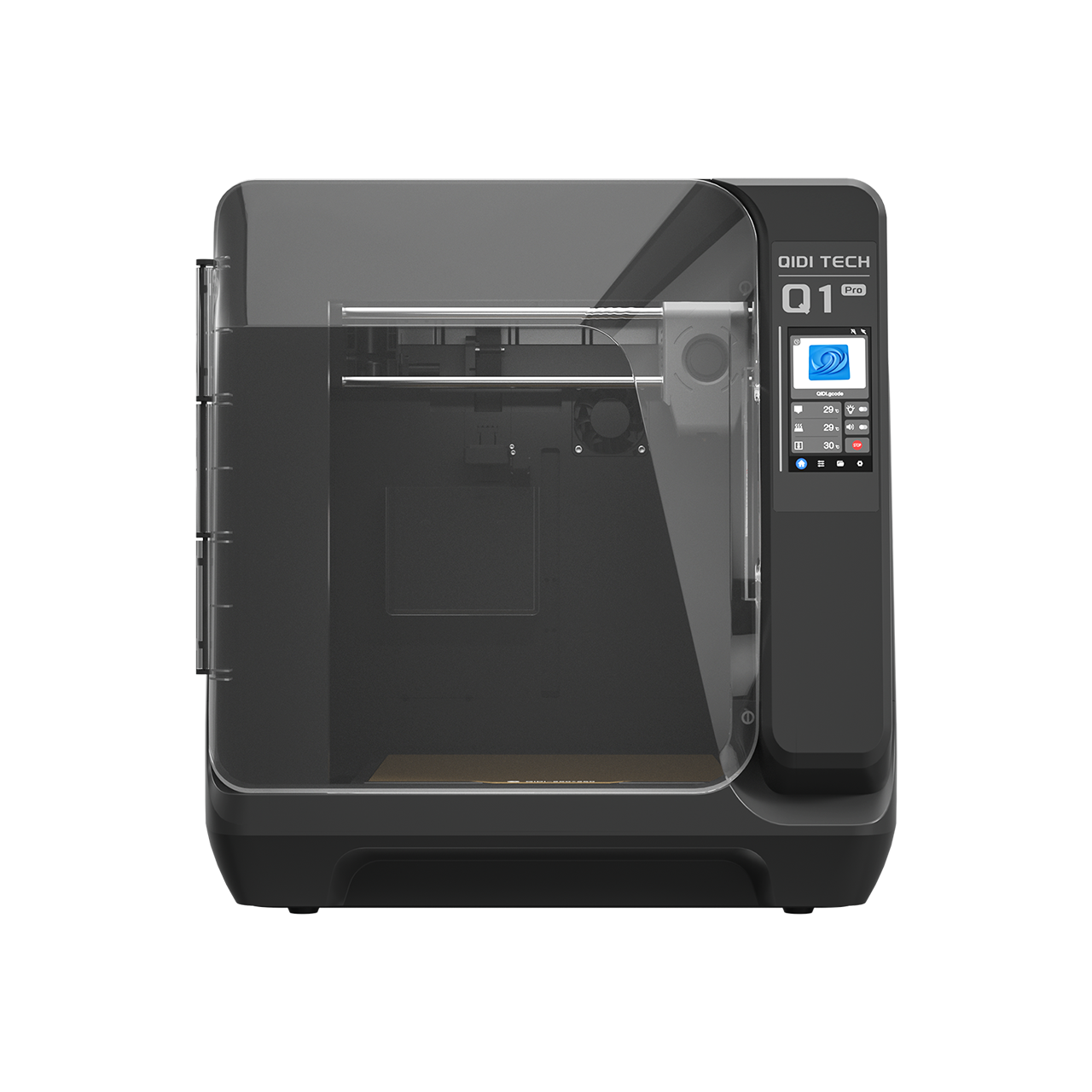 Q1 Pro
 X-Max 3




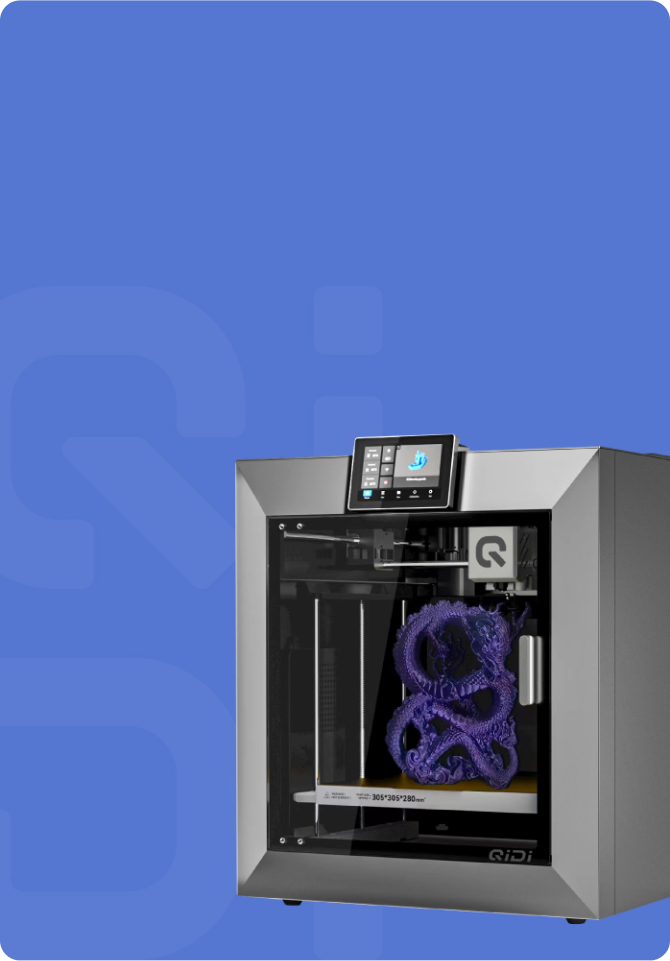
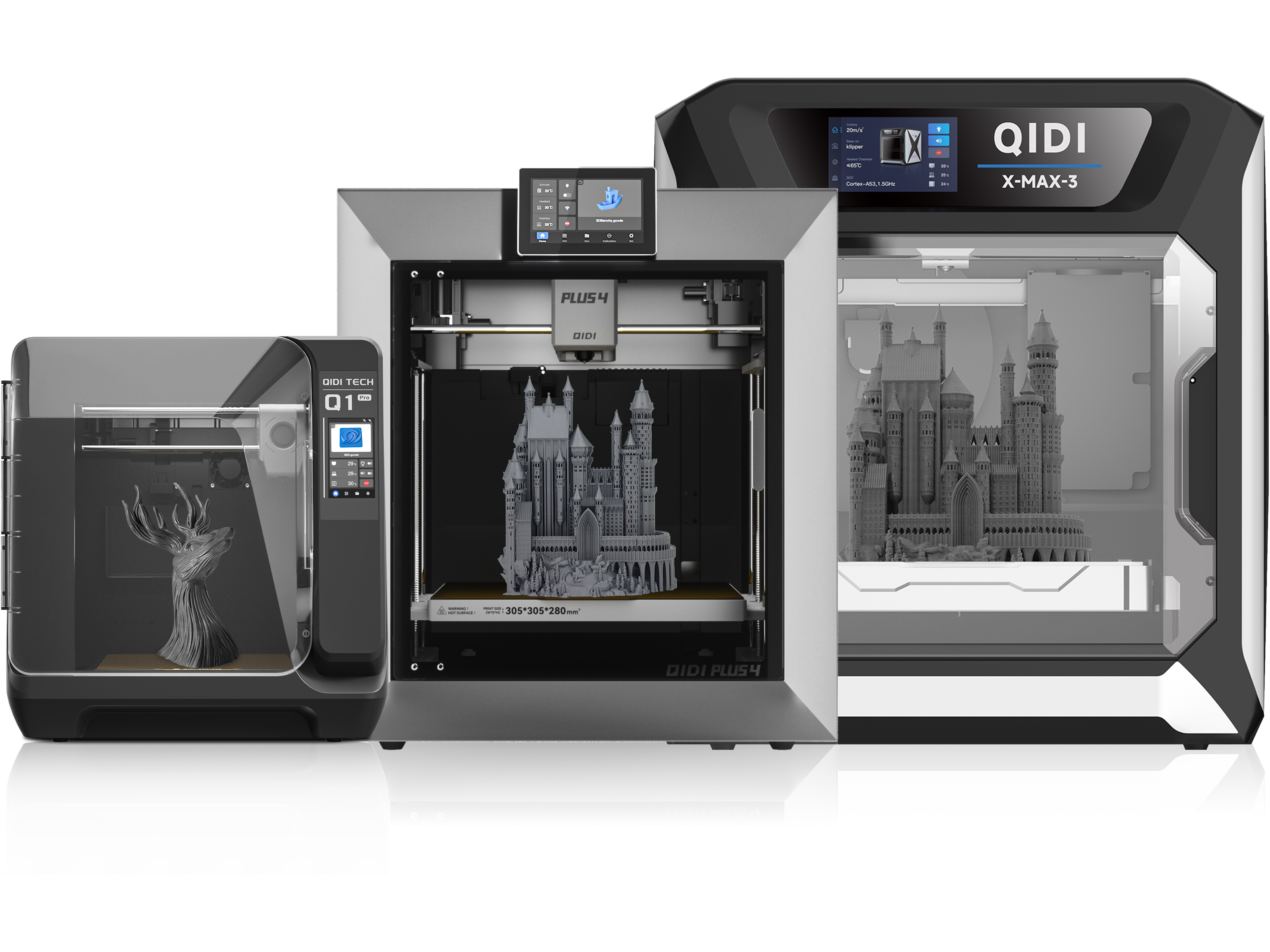
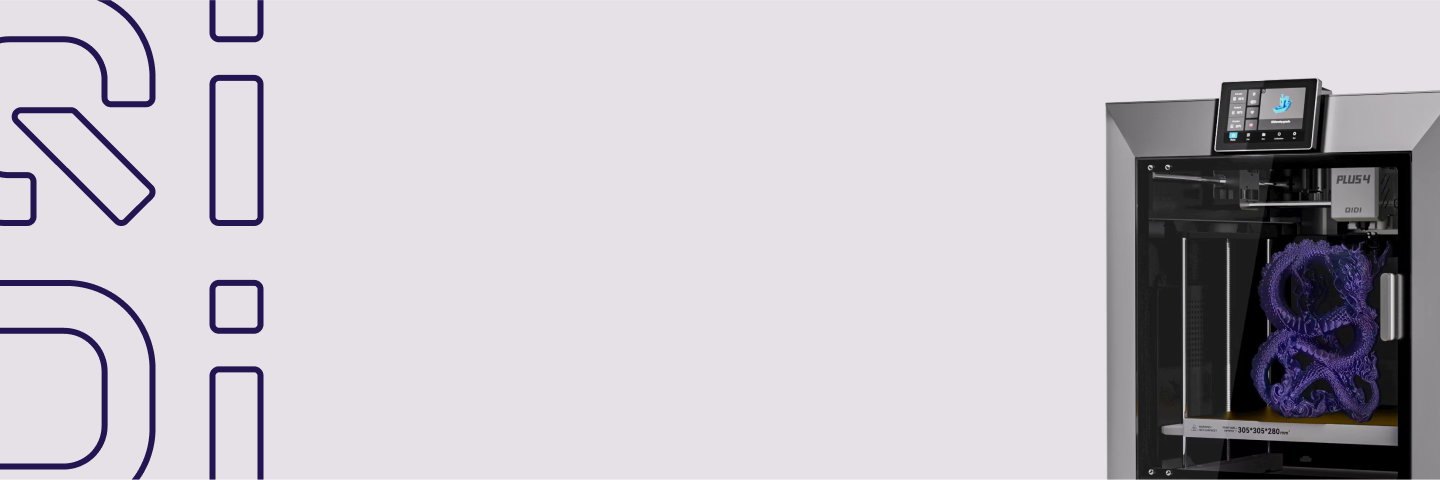

QIDI Plus4 Accessories
Plus4 Accessories is the parts shelf for the Plus4: bimetal hotends and tungsten carbide nozzles, PEI build plates, runout and tangle sensors, cooling fans, a replacement chamber heater, the camera, the 32GB EMMC module, and a filament dryer box. The page tagline, strong, smooth, reliable, maps to the three things that fail first on an FDM printer: the nozzle, the first layer, and the sensors that stop a print before it wastes a spool.
Hotend and Nozzles: Bimetal, Tungsten Carbide, and Spares
The nozzle wears before anything else, and abrasive filament speeds it up. QIDI gives you three ways to handle it: swap the whole bimetal nozzle hotend when the assembly is due, move to a tungsten carbide bimetal nozzle when carbon- and glass-filled filament is routine, or keep a pair of bimetal nozzles on the shelf for everyday PLA and PETG. Bimetal holds up to abrasive wear far better than brass, and tungsten carbide wears slower still.
- Plus4 Bimetal Nozzle Hotend, $44.99: the complete assembly with a 0.4mm nozzle fitted, ready to drop in.
- Plus4 Bimetal Nozzles, 2pcs, $39.99: 2pcs of the same size; choose from 0.2/0.4/0.6/0.8mm.
- Tungsten Carbide Bimetal Nozzle, $59.99: 0.4, 0.6, and 0.8mm for abrasive filament and long runs.
- Silicone sock protectors, PEI wiper sheets, and wiper silicone cases: low-cost spares that keep the hotend clean between jobs.
Build Plates for First-Layer Adhesion
Most "filament not sticking to bed" problems are plate problems. The dual-sided PEI plate puts a PEI surface on both sides, so a worn face is a flip away, and the smooth PEI plate adds a 0.5mm spring-steel core that releases prints with a flex. If you print mostly PLA and PETG, the Cool Plate is the specialist: a sticky coating that needs no glue stick and leaves a smooth bottom, sized for the Plus4.
- Dual-sided PEI Plate, $39.99: a PEI surface on both sides, so a worn face is a flip away.
- Dual-sided Smooth PEI Plate, $59.99: 0.5mm spring steel and a smoother print texture.
- Cool Plate, $29.99: PLA and PETG grip without adhesive, with a smooth base finish.
Extruder, Runout Sensors, and Cutting
The feed path is where a print fails quietly: filament runs out, tangles, or the cutter jams. The filament runout sensor is the current revision, with a reworked core that catches the end of a spool more reliably, and the tangle sensor watches the drag that comes before a snapped strand. The extruder, extruder cable, and a 5-piece cutter blade set finish the path, so a worn part is a short swap instead of a stalled weekend.
- Plus4 Extruder, $29.99, and Extruder Cable, $9.99: the drive and its wiring as a matched replacement.
- Filament Runout Sensor, $9.99: higher detection sensitivity on the latest version.
- Filament Tangle Sensor, $19.99, and Cutter Blade, 5pcs, $4.99: keep the feed clean and the cut crisp.
Cooling, Chamber Heating, and Air Quality
Cooling and heat are the two levers over print quality, and both are serviceable on the Plus4. The auxiliary cooling fan adds extra part cooling from the side, the hotend cooling fan keeps the heat break cool, and the model cooling fan keeps the printed part cool where it matters. The chamber heater is a drop-in replacement for the heated chamber the Plus4 already runs, not an upgrade, so ABS, ASA, and nylon hold chamber temperature after a part fails. The activated carbon bag fits the Plus4, X-Plus 3, X-Max 3, and Q1 Pro to adsorb gases from printing.
- Auxiliary Cooling Fan, $24.99: dedicated part cooling for overhangs and bridges.
- Hotend Cooling Fan, $9.99, and Model Cooling Fan, $14.99: heat-break and part cooling.
- Chamber Heater and Fan, $39.99: replacement for the Plus4 heated chamber.
- Activated Carbon Bag, $5.99: fits Plus4, X-Plus 3, X-Max 3, and Q1 Pro.
Electronics, Camera, and Filament Care
The last group keeps the machine running and the filament dry. The camera lets you watch a long print remotely, the motherboard is a replacement control board for board-level faults, and the EMMC 32GB module is the one upgrade worth making if you are still on a TF card: it is faster and more stable, ships with the system image pre-installed. For filament, the filament dryer box seals a spool behind a PP lid, ABS body, and VMQ ring, and with desiccant it keeps PA12-CF, UltraPA, ABS, and PETG from taking on moisture and stringing.
- EMMC 32GB Module, $45.99: faster, more stable storage than a TF card, with the system image pre-installed.
- Plus4 Camera, $39.99, and Motherboard, $200.00: remote monitoring, and a replacement control board that is not a straight drop-in swap.
- Filament Dryer Box, $39.00: sealed storage for water-absorbent filament.
Frequently Asked Questions about QIDI Plus4 Accessories
A Full Hotend, Spare Bimetal Nozzles, or A Tungsten Carbide Nozzle, Which Should I Buy?
Buy the full bimetal hotend when the whole assembly is due and you want the fastest swap. Buy bimetal nozzles when you change sizes between jobs. Buy tungsten carbide when carbon- or glass-filled filament is routine, because it wears the slowest.
Do I need the Cool Plate if I already have a PEI plate?
Only if PLA and PETG are most of what you print. The PEI plates cover the full material range. The Cool Plate is the PLA and PETG specialist: it grips without adhesive and leaves a smooth bottom, which suits display parts and high-volume PLA.
Are these parts upgrades or replacements?
Most are genuine replacements for parts the Plus4 already has. The chamber heater, automatic leveler, motherboard, and fans are service parts, not upgrades. The add-ons are the Cool Plate, the filament dryer box, and the EMMC module, which swaps a TF card for faster, more stable storage.
What do the runout and tangle sensors prevent?
A runout sensor stops the printer when a spool ends, so it pauses instead of printing into air. A tangle sensor catches the drag of a crossed strand before it snaps or under-extrudes. Together they turn two common overnight failures into a pause you can resume.
Which parts should I keep as spares?
Nozzles, silicone socks, PEI wiper sheets, and cutter blades, the consumables that wear with normal use. A spare bimetal nozzle and a pack of wiper sheets cover the most common mid-project stops.